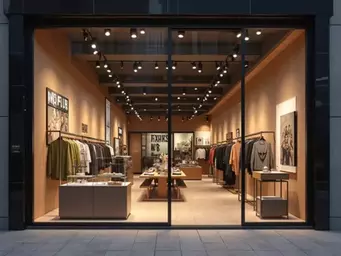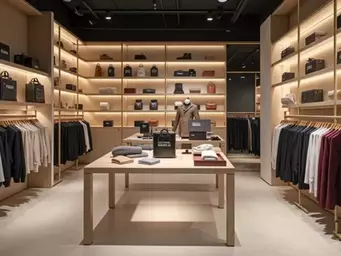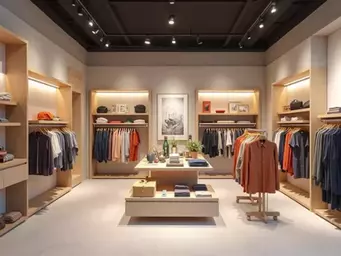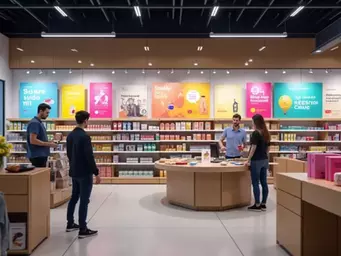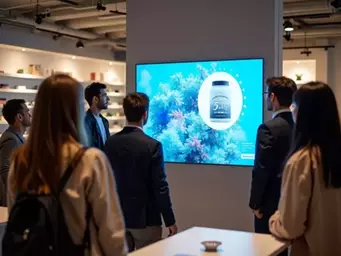
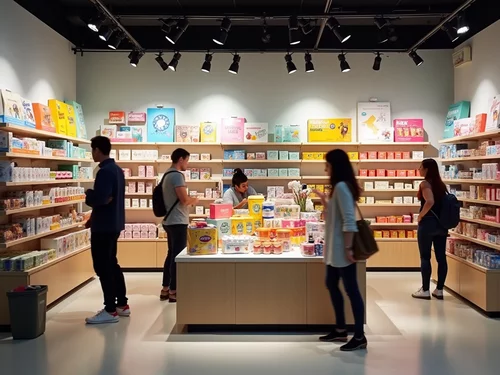
In a world where shopping has evolved into a full sensory experience, understanding in-store branding is essential for retail success. How does your brand create an inviting atmosphere that captivates customers? The answer lies in the art and science of effective branding.
What You Will Learn
- Elements of In-Store Branding: Visual identity, store layout, employee engagement, and promotional signage shape customer perceptions and experiences.
- Enhancing Customer Experience: Strong branding influences customer emotions, leading to increased recognition, loyalty, and higher sales.
- Meeting Consumer Expectations: Today’s customers seek engaging displays, personalized service, and interactive elements that enhance their shopping journey.
- Omnichannel Strategies: Consistent branding and integrated promotions across online and offline platforms create a seamless shopping experience.
- Examples of Successful Branding: Learn from brands like Apple, Starbucks, IKEA, and Amazon, which utilize unique strategies to create powerful consumer connections.
- Continuous Improvement: Regularly gather customer feedback and assess your in-store experience to refine branding strategies and stay ahead in the competitive retail landscape.
Key Benefits of Effective In-Store Branding
The impact of strong in-store branding can be summarized through various benefits that enhance customer experience and drive sales. Below is a visual representation showcasing these key areas. An effective strategy for enhancing branding with window graphics can significantly contribute to these benefits.
Increased Recognition
Customers can easily identify a brand they trust, leading to a stronger market presence.
Improved Customer Loyalty
A memorable shopping experience encourages repeat visits, fostering long-term relationships.
Higher Sales
Thoughtful branding can drive impulse purchases and overall sales growth within the retail space.
Engaging Atmosphere
Creating a welcoming environment encourages customers to spend more time in-store.
Understanding the Impact of In-Store Branding in Retail
In-store branding is more than just a trend; it’s a vital aspect of retail that can make or break a shopping experience. Think of it as the personality of your store. It includes everything from the design of your displays to the atmosphere you create with your signage. At Elevate Retail Branding, we believe that effective branding not only attracts customers but also keeps them coming back. Let’s explore why in-store branding is so important.
Defining In-Store Branding and Its Importance
Exploring What In-Store Branding Entails
In-store branding encompasses various elements that define how customers perceive your retail space. These elements include:
- Visual Identity: The use of colors, logos, and design styles that represent your brand.
- Store Layout: The arrangement of products and displays to enhance navigation and accessibility.
- Employee Engagement: Staff training and interaction play a key role in delivering your brand message.
- Promotional Signage: Effective messaging that communicates sales and promotions clearly.
At Elevate Retail Branding, we focus on these components to create a cohesive brand experience that resonates with customers and enhances their shopping journey, much like how in-store branding impacts customer experience.
The Role of Branding in Enhancing Customer Experience
Branding directly influences how customers feel about your store. When they walk in and see a well-branded space, they are more likely to feel welcome and engaged. Some key benefits of strong branding include:
- Increased Recognition: Customers can easily identify a brand they trust.
- Improved Customer Loyalty: A memorable shopping experience encourages repeat visits.
- Higher Sales: Thoughtful branding can drive impulse purchases and overall sales growth.
What would your store look like with a strategic branding approach? Think of it as painting a picture that invites customers to engage with your products emotionally!
Consumer Expectations in Today’s Retail Landscape
The Shift Towards Experiential Retail
Shopping today is not just about buying; it’s about the experience. Customers expect more than great products; they want a memorable journey. Here’s how you can meet those expectations:
- Engaging Displays: Create displays that tell a story and encourage customers to interact.
- Personalized Service: Tailor experiences based on customer preferences for a more intimate feel.
- Interactive Elements: Use technology to enhance the shopping experience, such as AR or touch screens.
As a retail business owner, consider how your in-store branding can align with this experiential shift. Are you inviting customers to not just shop, but to explore and enjoy?
The Influence of Omnichannel Strategies on Customer Behavior
In an era where online and offline shopping intertwine, having a strong omnichannel strategy is critical. Brands must offer a seamless experience across all platforms. Key strategies include:
- Consistent Branding: Ensure your visual identity is uniform whether online or in-store.
- Integrated Promotions: Use the same promotional messages across various channels to reinforce offers.
- Customer Feedback: Utilize feedback from both online and in-store customers to refine your approach.
How does your brand stack up in this omnichannel landscape? By aligning your in-store branding with online strategies, you can create a more cohesive and fulfilling experience for your customers! This can involve exploring key types of visual marketing to maintain consistency.
Prominent Examples of In-Store Branding Across Major Brands
Apple: Creating a Seamless Brand Experience
Apple stores are a prime example of effective in-store branding. They focus on clean designs and a premium feel, ensuring that every visit speaks to their brand value. Customers can explore products freely, which enhances their connection with the brand.
Starbucks: Crafting a Community-Focused Environment
Starbucks has mastered the art of creating a welcoming atmosphere. Their stores are designed to feel like a second home, encouraging customers to linger. This strategy not only boosts sales but also builds community loyalty.
IKEA: Immersive Showroom Experiences
IKEA's showrooms allow customers to visualize products in realistic settings. This immersive approach enhances the shopping experience and encourages purchases by helping customers imagine the products in their own homes.
Amazon: Integrating Technology with Physical Retail
Amazon has taken in-store branding to the next level with smart technology. Their stores feature tech integrations that simplify shopping, like checkout-free experiences, enhancing customer convenience and efficiency.
As we see, these brands leverage their unique in-store branding strategies to create powerful consumer connections. What can you learn from them to elevate your own brand experience? By crafting a unique identity, you can foster an inviting atmosphere that captivates your customers and keeps them coming back for more!
Pro Tip
Did you know? Integrating customer feedback directly into your in-store branding strategy can significantly enhance the shopping experience. Regularly engage with your customers through surveys or interactive displays to gather insights on what resonates with them. This not only helps you refine your branding elements but also fosters a sense of community and loyalty among your shoppers.
Frequently Asked Questions About In-Store Branding
Conclusion: Key Takeaways on In-Store Branding Strategies
In today’s competitive retail landscape, effective in-store branding is essential for success. It’s not just about putting up catchy signs; it’s about creating an engaging atmosphere that reflects your brand's identity. By understanding and applying the lessons from successful brands, you can enhance your own retail space, making it more inviting and memorable for customers.
As I reflect on my experience with Elevate Retail Branding, I see how crucial it is to keep innovating and engaging with shoppers. These effective tactics can truly elevate a retail business. Here are a few key elements to focus on:
- Utilize immersive displays that tell a story.
- Incorporate technology to facilitate shopping experiences.
- Engage customers through sensory experiences.
- Foster a community feel to build customer loyalty.
Summarizing Effective Tactics for Retail Success
When we look back at the examples we’ve discussed, it’s clear that innovation and customer engagement go hand in hand. Brands like Nike and Sephora have shown us the value of creating interactive and sensory-rich environments. By doing this, they not only attract customers but also encourage them to return, which is critical for sustaining sales.
Incorporating these ideas into your own store can set you apart from competitors. Remember, it’s all about creating an experience that resonates with shoppers. Here are some tactics to consider:
- Experiment with different layouts that encourage discovery.
- Incorporate seasonal themes to keep the shopping experience fresh.
- Utilize customer feedback to continuously improve.
- Invest in quality visual marketing materials to enhance brand visibility.
Highlighting the Importance of Innovation and Engagement
Innovation doesn’t stop once your store is set up. It's an ongoing process that involves tweaking your strategies based on customer behavior and feedback. For instance, I often encourage my clients at Elevate Retail Branding to experiment with new visuals or layout changes periodically. This keeps the shopping experience dynamic and encourages repeat visits.
Engagement is also about creating a conversation with your customers. When they feel their opinions matter, they are more likely to return. This could be achieved through surveys or engaging them on social media. How does your store engage with customers? Are you creating an inviting atmosphere that invites interaction? For more insights, consider how digital signage in retail spaces can enhance engagement.
Taking Action: Implementing Insights from Case Studies
Now that you have a wealth of knowledge from these successful case studies, it’s time to take action! Look closely at the strategies that resonated with you and consider how they can be adapted to fit your brand’s identity. Think about what unique experiences your store can offer to stand out.
Start by identifying opportunities within your current in-store strategy. What elements can be improved? Perhaps it's time to refresh your window graphics or create a new promotional display that highlights your products. Here’s a simple approach to get started:
- Assess your current in-store experience.
- Gather customer feedback through surveys or direct conversations.
- Research successful tactics from case studies and adapt them to your brand.
- Implement changes and track their impact through sales and customer engagement metrics.
Encouraging Continuous Improvement Through Feedback and Metrics
Finally, creating a cycle of continuous improvement is essential. The retail landscape is always changing, and so are consumer preferences. By focusing on feedback and key metrics, you can adjust your branding strategies to keep pace with these changes.
Consider what worked well in your store and what didn’t. Use this information to refine your approach continually. This method not only enhances the customer experience but also builds a stronger brand in the long term. In my experience, regular assessments and adjustments have proven invaluable. So, are you ready to elevate your in-store branding? Remember, every step you take towards improvement is a step towards retail success! Learn more about how cohesive branding boosts retail success.
Recap of Key Points
Here is a quick recap of the important points discussed in the article:
- In-store branding encompasses visual identity, store layout, employee engagement, and promotional signage.
- Strong branding enhances customer experience through increased recognition, customer loyalty, and higher sales.
- To meet consumer expectations, create engaging displays, offer personalized service, and incorporate interactive elements.
- A seamless omnichannel strategy is crucial; ensure consistent branding and integrated promotions across all platforms.
- Successful brands like Apple, Starbucks, IKEA, and Amazon utilize innovative strategies to enhance customer connections.
- Continuous improvement through customer feedback and adapting tactics is essential for retail success.