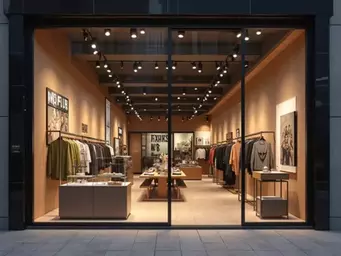
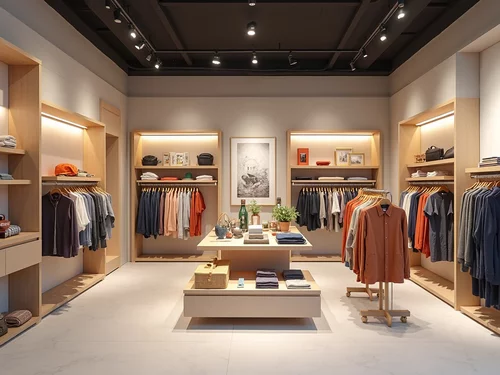
In the fast-paced world of retail, the layout of your store is not just a design choice—it’s a pivotal factor that can make or break the shopping experience. A well-planned store layout can draw customers in, spark their interest, and ultimately drive sales. Interested in discovering how to optimize your store for success?
What You Will Learn
- Store layout impacts customer behavior: A well-structured layout can increase dwell time and drive higher sales.
- Identifying your store type is crucial: Whether you're a boutique or big-box retailer, understanding your store type helps in tailoring an effective layout strategy.
- Different layout types serve specific purposes: Each layout type has its advantages and disadvantages, which can guide better decision-making for your store design.
- Visual merchandising tactics are essential: Implementing focal displays and effective signage can significantly enhance customer engagement and overall experience.
Key Store Layout Types and Their Benefits
Below is a comparison of different store layout types, detailing their benefits and potential drawbacks. Understanding how visual marketing can be integrated into these layouts is crucial for maximizing their impact.
Racetrack and Loop Layouts
Ideal for larger spaces, guiding customers through a predetermined path.
Pros: Encourages exploration, boosts sales.
Cons: Can cause congestion in high-traffic areas.
Grid Layouts
Maximizes product visibility while providing structured pathways.
Pros: Easy to stock and organize, increases visibility.
Cons: Can feel monotonous, may lack engagement.
Free-Flow Layouts
Creates an open, inviting environment for exploration.
Pros: Encourages customer engagement and curiosity.
Cons: Can lead to difficulty in finding specific items.
Summary of Key Takeaways
A well-structured layout can lead to increased dwell time and sales.
Identifying store type aids in tailoring the layout strategy.
Different layout types serve unique purposes with specific benefits and drawbacks.
How to Enhance Store Layout with Visual Marketing: A Data-Driven 8-Step Guide
Understanding the Importance of Store Layout in Retail Success
Your store layout is more than just a design choice; it plays a crucial role in how customers perceive your brand and make purchasing decisions. A well-thought-out layout can draw customers in, encourage them to explore, and ultimately drive sales. Have you ever noticed how certain stores just feel right when you walk in? That’s the power of a great store layout!
Effective store layouts can influence customer behavior in several ways. For instance, they can enhance product visibility, improve traffic flow, and create a welcoming atmosphere. By understanding these elements, you can strategically design your space to enhance customer satisfaction and boost your bottom line. Think about how many times you’ve made an impulse purchase because of a well-placed display!
Identifying Your Store Type for Effective Layout Strategy
Before diving into layout strategies, it’s essential to identify the type of store you operate. Different store types call for different layout approaches. Are you a boutique with limited space, or a large big-box retailer? Here’s a quick decision tree to help you determine your store type:
- Boutique: Focus on creating a cozy, inviting atmosphere with unique displays.
- Big Box: Aim for efficiency and product visibility, maximizing the flow for high traffic.
Once you identify your store type, you can tailor your layout to suit your customers’ needs. This personalization can significantly impact their shopping experience! For more insights, explore how interior displays shape customer experience, which often goes hand-in-hand with effective layout planning.
Exploring Effective Store Layout Types and Their Benefits
Racetrack and Loop Layouts: Ideal for Larger Spaces
Racetrack and loop layouts are excellent for larger retail spaces, as they guide customers through a predetermined path. This layout encourages customers to explore various sections of the store. By incorporating strategic product placements, you can boost sales and improve the shopping experience.
However, it’s essential to consider the potential downsides of this layout, such as congestion in high-traffic areas. Successful implementations of this layout can be seen in department stores where customers are drawn through the entire space. Let’s appreciate the artistry of such designs!
Grid Layouts: Maximizing Product Visibility and Traffic Flow
The grid layout is one of the most commonly used in retail settings, especially for grocery stores and pharmacies. This layout maximizes product visibility while providing structured pathways for customers to navigate easily. It’s effective for highlighting a variety of products in a logical manner, ensuring nothing goes unnoticed!
- Pros: Increases product visibility, easy to stock and organize.
- Cons: Can be monotonous and may lack engagement.
By leveraging the grid layout, you can create a seamless shopping experience that encourages customers to browse longer and spend more. Isn’t that the goal?
Free-Flow Layouts: Encouraging Exploration for Unique Retail Experiences
Free-flow layouts are perfect for boutiques and specialty stores. This type of layout creates an open, inviting environment where customers can explore at their own pace. By allowing for creative product displays and varied pathways, you can spark curiosity and draw customers into your brand story.
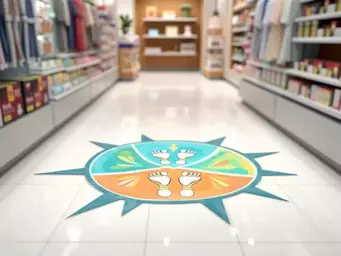
However, it’s crucial to ensure that while customers feel free to roam, they can still find what they need. Consider using visual cues or themed displays to guide them through your offerings. When customers feel at ease, they are more likely to engage with your products and make purchases! For additional ideas on how to captivate your audience, consider designing effective store floor decals.
The Role of Store Design in Enhancing Customer Experience
Thoughtful store design goes hand in hand with layout to create an enjoyable shopping experience. Elements such as color, lighting, and decor all play significant roles in how customers feel when they enter your store. A well-designed space can evoke positive emotions and make customers feel connected to your brand.
At Elevate Retail Branding, we understand the importance of these design elements in fostering a vibrant shopping atmosphere. When you consider the emotional impact of design, you’re not just selling products; you’re creating an experience that resonates with your customers. Isn’t that what retail is all about? For a deeper dive into this, see how color psychology in retail branding can be effectively utilized.
Pro Tip
Did you know that the placement of your checkout area can significantly impact customer behavior? Positioning the checkout at the exit can encourage impulse purchases, as customers often make last-minute decisions while waiting in line. Consider adding small, attractive items near the checkout to capitalize on this opportunity!
Frequently Asked Questions (FAQs)
Q1: How does store layout impact customer behavior?
A1: A well-structured store layout can significantly influence customer behavior by increasing dwell time, improving product visibility, and encouraging exploration, which ultimately drives higher sales and customer satisfaction.
Q2: What are the main types of store layouts?
A2: The main types of store layouts include Racetrack/Loop layouts (ideal for larger spaces guiding customers through a path), Grid layouts (maximizing product visibility with structured pathways), and Free-Flow layouts (creating an open, inviting environment for exploration, often used in boutiques).
Q3: How can visual merchandising enhance a store layout?
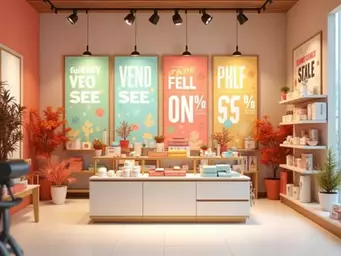
A3: Visual merchandising tactics such as focal displays, effective signage, and strategic product placements can significantly enhance customer engagement, highlight promotions, and guide customers through the store, making the shopping experience more interactive and enjoyable.
Q4: Why is it important to identify your store type before planning a layout?
A4: Identifying your store type (e.g., boutique vs. big-box retailer) is crucial because different store types require different layout strategies to meet customer needs and optimize space effectively. A boutique might prioritize a free-flow layout for exploration, while a big-box store might opt for a grid layout for efficiency.
Q5: What role does store design play in the overall customer experience?
A5: Store design elements like color, lighting, and decor work alongside layout to create an enjoyable shopping experience. They influence customer emotions, perceptions of the brand, and can make customers feel more connected to the store, fostering repeat business and loyalty.
Summarizing Key Takeaways for Effective Store Layout Optimization
In today’s competitive retail landscape, understanding how to create an effective store layout is critical. Combining visual marketing strategies with data-driven insights can significantly enhance the shopping experience. By applying the principles we’ve discussed, you can optimize your store layout to not only attract more customers but also boost your sales performance. Remember, it’s about creating a welcoming environment that encourages exploration and interaction.
Some key takeaways to keep in mind include:
- Store layout impacts customer behavior—a well-structured layout can lead to increased dwell time and sales.
- Identifying your store type helps tailor your layout strategy—whether you're a boutique or a big box store.
- Different layout types serve unique purposes—understanding the pros and cons of each can guide your decisions.
- Visual merchandising tactics, like focal displays and effective signage, play a pivotal role in enhancing customer engagement.
With these concepts in mind, let’s explore how to put them into practice effectively. At Elevate Retail Branding, we believe that a well-optimized store layout is not just about aesthetics; it’s about creating a memorable shopping experience. By integrating these strategies, you can foster a strong connection with your customers, leading to increased loyalty and repeat business.
Encouraging Action: Download Your Practical Layout Optimization Toolkit
Are you ready to take the next step in optimizing your store layout? I invite you to download our Practical Layout Optimization Toolkit! This toolkit includes:
- A comprehensive checklist for evaluating your current layout
- A customizable layout template tailored for your store's needs
- A KPI dashboard example to help you track the effectiveness of your changes
With these tools, you can easily implement the strategies discussed in this article and measure their impact over time. Remember, at Elevate Retail Branding, I’m here to support you in transforming your retail space into a vibrant and engaging environment. Let’s work together to create a shopping atmosphere that not only showcases your products but also makes a lasting impression on your customers! For more expert advice, consider reading about how to boost sales with in-store displays.
Recap of Key Points
Here is a quick recap of the important points discussed in the article:
- Store layout influences customer behavior: A well-structured layout can lead to increased customer dwell time and sales.
- Identify your store type: Tailoring your layout strategy based on whether you operate a boutique or a big box store is essential.
- Different layout types have unique benefits: Understanding the pros and cons of racetrack, grid, and free-flow layouts can help you optimize your space effectively.
- Visual merchandising is key: Utilizing focal displays and effective signage enhances customer engagement and encourages purchases.
- Design elements matter: Color, lighting, and decor contribute significantly to the shopping experience and emotional connection with your brand.