
Have you ever walked into a store and felt immediately drawn to its displays? The power of visual marketing can create such experiences, transforming casual shoppers into loyal customers.
What You Will Learn
- Visual merchandising is essential for attracting customers and influencing their purchasing decisions.
- Key elements of effective visual marketing include color schemes, lighting, layout, and signage.
- Understanding consumer psychology—like emotional responses, social proof, and urgency—can enhance marketing strategies.
- Tailoring visuals to your audience and utilizing technology can significantly improve engagement and sales.
- Creating an inviting store atmosphere encourages customers to stay longer and explore more.
- Measuring success through foot traffic, sales data, and customer engagement is crucial for continuous improvement.
- Digital signage and interactive displays elevate customer experiences and strengthen brand storytelling.
Key Elements of Effective Retail Visual Marketing Strategies
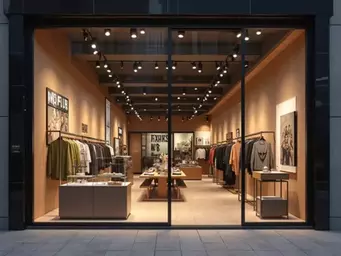
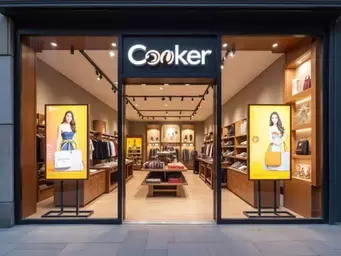
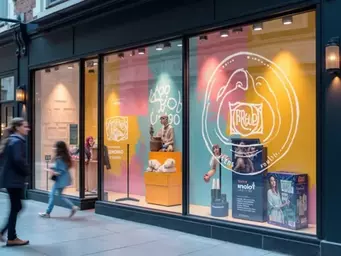
The following visual highlights the key elements that are essential for successful retail visual marketing strategies:
Color Schemes
Choose colors that align with your brand and evoke the desired emotions.
Lighting
Proper lighting highlights products and sets the mood.
Layout
A logical flow ensures customers can navigate the space easily.
Signage
Clear signage communicates promotions and directs customer attention.
Understanding Visual Marketing in Retail: An Overview of Case Studies
Visual marketing is pivotal in retail, serving as the first line of engagement between customers and brands. When I think about my work at Elevate Retail Branding, I see how impactful visual elements can be in drawing in shoppers. It’s about more than just aesthetics; it’s about crafting experiences that resonate with customers and inspire them to take action. For deeper insights into this topic, explore visual marketing exploring key types.
In this overview, I will highlight the significance of visual merchandising, key elements that make strategies effective, and the psychology behind consumer behavior. It’s essential to understand these aspects, as they lay the foundation for successful retail ventures.
The Importance of Visual Merchandising in Retail Success
Visual merchandising is the art of displaying products to attract customers. It plays a critical role in shaping shoppers' perceptions and guiding their purchasing decisions. Here are a few reasons why it’s vital:
- First Impressions Matter: A well-designed storefront creates curiosity and invites foot traffic.
- Brand Storytelling: Visuals communicate your brand's identity and values in an instant.
- Enhanced Shopping Experience: Engaging displays encourage customers to explore and spend more time in-store.
When I help retailers with their visual marketing, I always emphasize these points. The right visuals can elevate a store from ordinary to extraordinary!
Key Elements of Effective Retail Visual Marketing Strategies
To develop a successful visual marketing strategy, there are several key elements you should consider. These components work together to create a cohesive and compelling shopping environment:
- Color Schemes: Choose colors that align with your brand and evoke the desired emotions.
- Lighting: Proper lighting highlights products and sets the mood.
- Layout: A logical flow ensures customers can navigate the space easily.
- Signage: Clear signage communicates promotions and directs customer attention.
In my experience, integrating these elements thoughtfully can lead to remarkable improvements in customer engagement and sales performance. Understanding enhancing store layout with visuals is key to maximizing these benefits.
Consumer Behavior: Understanding the Psychology of Shoppers
Understanding how customers think and behave is essential for any retail marketing strategy. The psychology of shoppers can significantly influence their buying choices. Here are some insights into consumer behavior:
- Emotional Responses: Customers often make purchases based on feelings rather than logic. Engaging visuals can evoke these emotions.
- Social Proof: Shoppers are influenced by others. Utilizing testimonials and popular products can enhance credibility.
- Scarcity and Urgency: Limited-time offers or exclusive items can create a sense of urgency that drives customers to act quickly.
By tapping into these psychological factors, you can create visual marketing strategies that not only attract attention but also convert browsers into buyers. At Elevate Retail Branding, we believe that understanding these nuances is crucial for designing effective marketing solutions.
Quick Summary
Here's a brief recap of the key points discussed so far:
- Visual Merchandising Importance: It plays a critical role in attracting customers and influencing their purchasing decisions.
- Key Elements: Color schemes, lighting, layout, and signage are essential components for effective visual marketing strategies.
- Understanding Consumer Behavior: Emotional responses, social proof, and urgency can significantly affect shoppers' decisions.
Concluding Insights and Future Directions
As we wrap up our exploration of retail visual marketing case studies, it’s clear that the right strategies can profoundly impact a brand's success. From IKEA to Lush, each company leverages unique visual marketing techniques that resonate with their audiences. These approaches not only enhance customer engagement but also drive sales, providing a roadmap for success in a competitive market. For more on how to boost sales with in-store displays, check out our related article.
Here are some key takeaways that can guide your retail visual marketing efforts:
- Know Your Audience: Tailor your visuals to connect with your specific customer base.
- Utilize Technology: Incorporate digital elements to enhance interactivity and personalization.
- Focus on Experience: Create an inviting atmosphere that encourages customers to linger.
- Measure Results: Use data to assess the effectiveness of your visual strategies.
As the owner of Elevate Retail Branding, I believe that implementing these proven strategies can significantly enhance how your customers perceive and interact with your brand. Remember, it’s all about creating an engaging shopping experience that reflects your brand's identity.
Encouragement to Implement Proven Strategies in Your Retail Space
There’s no better time than now to start applying these insights in your own retail space! By leveraging effective visual marketing strategies, you can transform your store into a vibrant environment that captures attention and fosters loyalty. Think about how you want your customers to feel when they walk through your doors.
Consider integrating elements from successful brands that resonate with your vision. For instance:
- Add interactive displays like those seen at Nike.
- Focus on personalized experiences, similar to what Sephora offers.
- Enhance sensory engagement through multi-sensory displays like Lush.
By creating a unique shopping experience, you not only differentiate your brand but also build a community around it. Let your creativity shine and witness how these strategies can shape your store's future!
FAQs: Addressing Common Questions About Retail Visual Marketing
What Technologies Enhance Visual Merchandising?
In today's digital age, several technologies can enhance visual merchandising:
- Digital Signage: Engages customers with dynamic content.
- Augmented Reality (AR): Provides immersive experiences that let customers visualize products.
- Interactive Touchscreens: Allow for personalized browsing experiences.
Each of these technologies adds an exciting layer to the shopping experience, encouraging more engagement and exploration.
How Can Small Retailers Apply These Strategies Cost-Effectively?
Small retailers can adopt visual marketing strategies without breaking the bank. Here are some budget-friendly tips:
- DIY Displays: Use creativity to design and create your own displays.
- Leverage Social Media: Utilize platforms to showcase your store's visuals.
- Collaborate Locally: Partner with local artists or businesses to create unique displays.
These low-cost approaches can still yield impressive results, allowing your brand to shine.
What Metrics Should Be Used to Measure Success in Visual Marketing?
Measuring the success of your visual marketing efforts is crucial. Here are some key metrics to consider:
- Foot Traffic: Monitor the number of customers entering your store.
- Sales Data: Compare sales before and after implementing new visuals.
- Customer Engagement: Track interactions with displays or technology.
These metrics can help you understand what’s working and where to make improvements.
How Does Digital Signage Impact Customer Engagement?
Digital signage plays a significant role in enhancing customer engagement. It does so by:
- Delivering Real-Time Information: Keeping customers updated on promotions and events.
- Catching Attention: Using dynamic content that attracts passersby.
- Enhancing Brand Storytelling: Telling your brand's story in a captivating way.
When used effectively, digital signage in retail spaces can effectively transform a simple visit into an engaging experience.
What Role Does Signage Play in the Customer Journey?
Signage is a critical component of the customer journey. It serves multiple purposes:
- Guidance: Directs customers around your store.
- Information: Provides details about products and promotions.
- Brand Representation: Reflects your brand's identity and messaging.
Effective signage can enhance customer experience and influence buying decisions, making it an essential tool in retail marketing. For more on this, consider how signage attracts foot traffic.
Recap of Key Points
Here is a quick recap of the important points discussed in the article:
- Importance of Visual Merchandising: Creates first impressions, tells brand stories, and enhances the shopping experience.
- Key Elements of Effective Strategies: Utilize color schemes, proper lighting, logical layouts, and clear signage for better engagement.
- Understanding Consumer Behavior: Leverage emotional responses, social proof, and urgency to influence purchasing decisions.
- Know Your Audience: Tailor visuals to connect with your specific customer base for better engagement.
- Use of Technology: Incorporate digital elements to enhance interactivity and personalization in the shopping experience.
- Focus on Experience: Create inviting atmospheres that encourage customers to linger and explore your store.
- Measure Results: Use data to assess the effectiveness of your visual marketing strategies for continuous improvement.