In a world where first impressions are everything, did you know that effective in-store branding can dramatically influence consumer behavior? Retailers who master this art not only enhance their shopping environment but also foster loyalty and drive sales. Let’s delve into the vital lessons that emerge from understanding in-store branding and its profound impact on consumer behavior.
Key Takeaways
- In-store branding creates an engaging atmosphere that significantly influences customers' feelings and purchasing decisions.
- Key components of in-store branding include visual elements, store layout, and customer engagement strategies that communicate brand identity.
- Understanding consumer behavior allows retailers to tailor their marketing strategies to meet specific needs and enhance shopping experiences.
- The strategic use of audio and digital advertising can capture consumer attention and drive impulse buys effectively.
- Incorporating technology, such as augmented reality and mobile apps, can personalize and enrich the shopping experience.
- Shelf placement and store layout can significantly affect consumer choices and impulse purchasing behavior.
- Creating a strong brand identity through visual design and messaging fosters customer loyalty and enhances brand recognition.
- Tactile interactions and the ability to engage physically with products can increase consumer willingness to purchase.
- Emotional branding connects with consumers on a deeper level, building long-term brand loyalty through positive experiences.
- The hybrid shopping experience is becoming essential, blending online and in-store strategies to meet evolving consumer preferences.
The Impact of In-Store Branding on Consumer Behavior
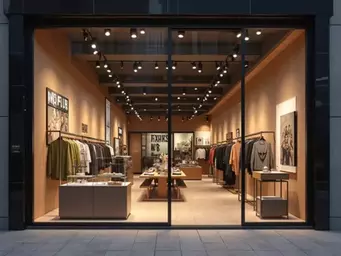
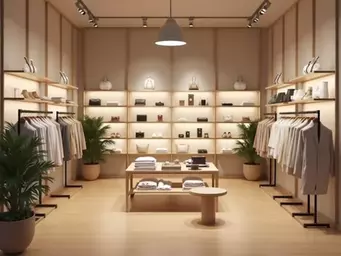
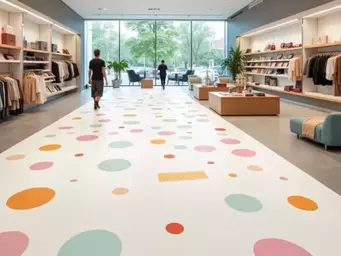
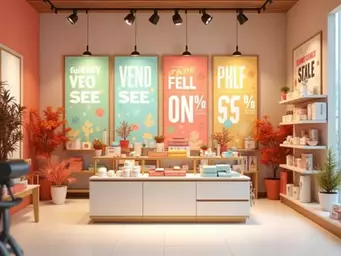
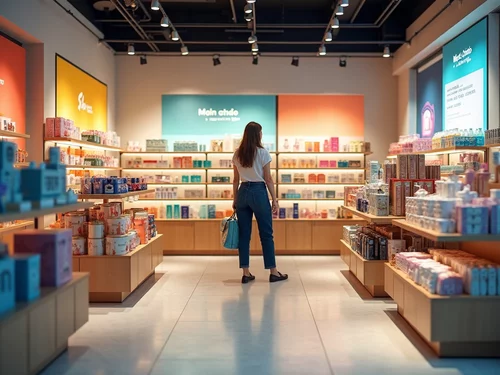
In-store branding plays a pivotal role in influencing consumer behavior, enhancing engagement, and driving sales. Below is a visual representation of the key components and effects of effective in-store branding.
Increased Customer Engagement
Captivating displays draw shoppers in, leading to longer store visits and increased interaction with products.
Enhanced Brand Loyalty
A memorable experience keeps customers coming back, fostering a sense of connection with the brand.
Improved Sales Performance
Effective branding can lead to higher sales conversion rates, driving profitability for retail environments.
Key Elements of In-Store Branding
- - Visual Elements
- - Store Layout
- - Customer Engagement
Understanding In-Store Branding's Impact on Consumer Behavior
In-store branding is more than just a fancy term; it’s the art of creating an engaging shopping atmosphere that resonates with customers. At Elevate Retail Branding, we understand how vital this concept is for retail environments. The way products are presented, the colors used, and even the layout of a store can significantly influence how consumers feel about a brand and, ultimately, their purchasing decisions. So, let's explore how in-store branding shapes consumer behavior.
Defining In-Store Branding and Its Role in Shopping
In-store branding encompasses all the visual elements that create a shopping experience. This includes everything from window graphics to interior displays and promotional signage. By effectively utilizing these elements, a retail space can communicate its identity and values. It's not just about selling products; it's about telling a story that encourages customers to engage and connect with the brand. You can explore more about enhancing branding with window graphics for a deeper dive.
Exploring the Elements of In-Store Branding
There are several key components that form the foundation of in-store branding:
- Visual Elements: This includes colors, graphics, and signage that align with the brand’s identity.
- Store Layout: How a store is organized can guide customers and influence their shopping journey.
- Customer Engagement: Creating interactive and immersive experiences that appeal to the senses.
Each of these components plays a crucial role in creating an inviting atmosphere that can make customers feel more welcome. That’s where our expertise at Elevate Retail Branding comes into play, turning retail spaces into vibrant customer attractions!
Why Consumer Behavior Matters in Retail
Understanding consumer behavior is essential in retail because it drives sales and builds brand loyalty. By analyzing how shoppers make decisions, retailers can tailor their in-store branding to meet those needs. For example, if shoppers respond positively to certain colors or layouts, those elements can be emphasized in marketing strategies.
By focusing on consumer behavior, retail managers can create effective strategies that resonate with their target audiences. This insight allows for a more personalized shopping experience, fostering a sense of connection between the customer and the brand.
Key Components of Effective Retail Marketing
Effective retail marketing hinges on several important components, each contributing to how customers perceive a brand. Among them, brand identity and target audience understanding are crucial. By clearly defining who you are as a brand and who your customers are, you can create a marketing strategy that speaks directly to them.
Brand Identity and Messaging in In-Store Branding
Your brand identity is not just a logo; it's the essence of who you are and what you stand for. This is communicated through:
- Visual Design: Consistency in colors, fonts, and graphics.
- Messaging: Clear and engaging language that reflects brand values.
- Customer Experience: Creating a memorable and enjoyable shopping journey.
At Elevate Retail Branding, we believe that a strong brand identity can significantly enhance customer loyalty. After all, when customers feel connected to what you stand for, they’re more likely to return!
Understanding Target Audience and Market Segmentation
Knowing your target audience is like having a secret weapon in retail. By segmenting your market, you can tailor your in-store branding efforts to meet specific needs. Consider your audience's demographics, preferences, and shopping habits.
When you understand these factors, you can create a shopping experience that resonates with each segment. This not only increases the chances of making a sale but also fosters a sense of belonging among customers—something that is invaluable in today’s retail landscape. For more insights, check out our guide on visual marketing: exploring key types.
How In-Store Advertising Engages Consumers
In-store advertising plays a pivotal role in engaging consumers effectively. This includes everything from signage to digital displays and audio announcements. These elements can capture attention and guide customers toward making purchases. Let's dive into how advertising can shape a shopper's experience!
The Power of Audio and Digital Advertising
Using audio and digital formats can significantly enhance the shopping experience. Think about it: a well-placed jingle or an engaging video display can draw customers in, making them more aware of promotions or new products. Here’s how:
- Audio: Background music can create an inviting atmosphere, while announcements can inform customers about special deals.
- Digital Displays: Interactive screens can showcase products in a fun and engaging way.
- Social Media Integration: Highlighting user-generated content or promotions can encourage customers to share their experiences.
At Elevate Retail Branding, we recommend a blend of these elements to create a dynamic in-store atmosphere that resonates with customers and keeps them engaged.
Empirical Evidence: Advertising's Effect on Purchase Decisions
Research consistently shows that effective advertising can lead to increased sales. For instance, studies indicate that customers are more likely to purchase a product when they encounter ads that resonate with their emotions and needs. By employing strategic in-store advertising, retailers can:
- Increase Brand Awareness: Engaging visuals and messages can stay with consumers long after they leave the store.
- Drive Sales: Well-placed promotions can lead to impulse buys and higher conversion rates.
- Enhance Customer Experience: Providing valuable information in an engaging format can improve the overall shopping journey.
Incorporating these strategies into your in-store branding can create a powerful connection with customers, leading to positive shopping experiences and increased brand loyalty.
Technology Integration in Retail Environments
The integration of technology in retail environments is revolutionizing how consumers interact with brands. From augmented reality to NFC beacons, tech solutions are enhancing personalization and engagement in ways we couldn’t have imagined a decade ago!
Augmented Reality and NFC Beacons: A New Era of Personalization
Augmented reality (AR) and NFC (Near Field Communication) beacons are two exciting technologies that can transform in-store experiences. Here’s how they work:
- Augmented Reality: Allows customers to visualize products in their own spaces before making a purchase.
- NFC Beacons: Provide personalized promotions and information as customers move through the store.
These technologies create a more engaging and tailored shopping experience. Imagine walking into a store and receiving a notification about a special offer on a product you frequently buy! That’s the power of personalized marketing.
The Role of Smartphone Technology in Consumer Engagement
Smartphones have become essential tools for consumers during their shopping journeys. Retailers can leverage this by creating apps or mobile-friendly websites that enhance the in-store experience. For instance:
- Mobile Apps: Apps can provide loyalty rewards, special offers, and even virtual store maps.
- Mobile Payments: Making transactions easier and quicker can improve customer satisfaction.
- Social Media Integration: Encouraging customers to share their experiences online can amplify brand presence.
At Elevate Retail Branding, we recognize the importance of technology in driving customer engagement. Implementing these strategies can not only enhance the shopping experience but also strengthen customer loyalty.
The Science of Shelf Placement and Consumer Choices
Have you ever noticed how certain products are positioned at eye level on shelves? This is a strategic decision rooted in the science of consumer behavior. Understanding how shoppers navigate a store can lead to better sales and a more enjoyable shopping experience.
Eye-Tracking Studies: Understanding Shopper Behavior
Eye-tracking studies have revealed fascinating insights into how consumers scan products. Research shows that:
- Eye Level Matters: Products placed at eye level receive more attention.
- End Caps: Items displayed at the end of aisles often see higher sales due to increased visibility.
- Product Grouping: Related products placed together can entice customers to purchase more.
By utilizing these insights, retailers can optimize their shelf arrangements to maximize visibility and sales potential.
Maximizing Sales through Strategic Store Layouts
The layout of a retail space can significantly influence customer behavior. A well-thought-out design can guide shoppers through the store and encourage them to explore. Key strategies include:
- Flow: Creating a natural flow that encourages browsing can increase the time customers spend in the store.
- Accessibility: Ensuring products are easy to reach can enhance customer satisfaction.
- Clear Signage: Helping customers navigate the store easily can lead to positive experiences.
At Elevate Retail Branding, we focus on creating layouts tailored to the specific needs of our clients, ensuring the best shopping experience possible.
Product Placement and Its Impact on Impulse Buying
Product placement is a key factor in driving impulse purchases. Effective strategies can include:
- Strategic Positioning: Placing high-margin items near checkout areas can encourage last-minute buys.
- Cross-Merchandising: Displaying complementary products together can spark additional purchases.
- Promotional Displays: Eye-catching displays can grab attention and entice customers to explore.
By implementing these techniques, retailers can capitalize on impulse buying and maximize their sales potential!
Influence of Store Displays and Layouts on Buying Trends
The right store displays and layouts can make a significant difference in consumer buying trends. When done effectively, these elements not only catch the eye but also enhance the brand's image.
How Visual Merchandising Affects Shopper Decisions
Visual merchandising is all about creating appealing displays that showcase products in the best light. Some key aspects include:
- Color Schemes: Using colors that align with your brand can attract the right audience.
- Thematic Displays: Seasonal or thematic setups can create a compelling shopping experience.
- Interactive Elements: Allowing customers to touch and feel products can increase engagement and sales.
At Elevate Retail Branding, we understand the powerful impact of visual merchandising in shaping consumer perceptions. Engaging displays can transform a simple shopping trip into an unforgettable experience!
Promotional Displays and Their Role in Enhancing Brand Perception
Promotional displays do more than just advertise; they enhance how customers perceive a brand. When executed well, promotional displays can:
- Highlight New Products: Bringing attention to exciting new items can generate buzz.
- Showcase Sales: Bold, eye-catching displays can attract bargain hunters.
- Build Brand Identity: Consistent branding across displays reinforces brand recognition.
Incorporating these strategies can elevate a brand's presence in the retail space, fostering customer loyalty and driving sales.
Case Studies: Success Stories in Retail Display Effectiveness
Several retailers have successfully utilized in-store displays to drive sales and enhance customer experiences. Here are a few examples:
- Target: Their seasonal displays often feature vibrant colors and thematic elements that draw customers in.
- Apple: Known for their sleek and interactive product displays that allow customers to engage with the technology.
- Starbucks: Unique seasonal display setups that highlight limited-time offers effectively attract customers' attention.
By learning from these success stories, retailers can implement similar strategies to enhance their own in-store branding efforts.
Analyzing Shopping Habits and Consumer Preferences
Understanding shopping habits and consumer preferences is crucial for retailers looking to enhance in-store experiences. Different shoppers have varying needs and desires, and recognizing these can provide a competitive edge.
Tactile Interaction: The Connection Between Touch and Sales
Research shows that tactile engagement can significantly influence purchasing decisions. When customers can touch, feel, and interact with products, they are more likely to buy. Key points include:
- Product Sampling: Allowing customers to try products can increase their willingness to make a purchase.
- Interactive Displays: Giving customers a hands-on experience can enhance their connection to the brand.
- Creative Packaging: Unique and functional packaging can attract attention and encourage purchases.
At Elevate Retail Branding, we believe that fostering tactile interactions can create memorable experiences that lead to sales!
Understanding Different Shopper Types: Bargain Hunters vs. Browsers
Recognizing the different types of shoppers can help retailers tailor their in-store branding. Here’s a quick breakdown:
- Bargain Hunters: These shoppers are looking for the best deals and discounts. Promotions and signage should cater to their needs.
- Browsers: These customers enjoy exploring and discovering new products. Engaging displays and a well-organized layout can enhance their experience.
By understanding these differences, retail managers can create a shopping environment that appeals to all customer types, fostering a welcoming atmosphere.
The Role of Store Ambiance in Enhancing the Shopping Experience
The ambiance of a store significantly influences customer engagement. From lighting to temperature, every element plays a role in creating the right atmosphere. Here’s how ambiance can elevate the shopping experience!
How Store Design Influences Customer Engagement
A well-designed store layout not only invites customers in but also encourages them to linger. Consider these factors:
- Lighting: Soft, inviting lighting can create a warm atmosphere.
- Color Schemes: Colors that evoke certain emotions can enhance the shopping experience.
- Soundscapes: Background music that complements the store's theme can enrich customer engagement.
At Elevate Retail Branding, we believe that thoughtful store design can transform a retail space into a destination. For more on this, check out how interior displays and customer choices are intertwined.
Emotional Branding and Its Effect on Brand Loyalty
Emotional branding connects with consumers on a deeper level, fostering loyalty and repeat business. By creating experiences that evoke positive feelings, retailers can strengthen customer relationships. Consider these strategies:
- Storytelling: Sharing the brand’s story can resonate with customers’ values.
- Customer Experience: Ensuring that every customer interaction is positive can build lasting relationships.
- Community Involvement: Engaging with the local community can enhance brand perception.
By focusing on emotional branding, retailers can create a loyal customer base that keeps coming back for more!
Pro Tip
Did you know? Incorporating sensory elements into your in-store branding—such as scent marketing or tactile displays—can significantly enhance customer engagement. Research shows that when shoppers can smell or touch products, their likelihood of making a purchase increases. Consider integrating these sensory strategies into your store to create a more immersive shopping experience!
Reflecting on the Impacts of In-Store Branding
As we step into a world reshaped by the pandemic, the way consumers interact with retail has changed dramatically. It's essential to understand how in-store branding plays a vital role in this new landscape. Today, I want to explore the impacts of in-store branding and how it can be adapted to meet evolving consumer needs.
One of the most significant shifts is the rise of the hybrid shopping experience, where online and in-store strategies merge. Retailers are now embracing this blend to create a seamless journey that resonates with consumers. As we navigate these changes at Elevate Retail Branding, I see an exciting opportunity for brands to enhance their visibility and connect with shoppers in meaningful ways!
Addressing Post-COVID Shifts in Consumer Behavior
Understanding how consumers have adapted post-COVID is crucial for retail success. Shoppers are now more conscious of their surroundings and are looking for a blend of safety and engagement when they visit stores. This shift requires retailers to rethink their in-store branding strategies to ensure they resonate with today's customers.
Here are some key adaptations in consumer behavior:
- Increased Focus on Cleanliness: Shoppers expect a clean, safe environment.
- Preference for Omnichannel Experiences: Consumers enjoy shopping both online and in-store.
- Desire for Personalization: Tailored experiences resonate better with customers.
The Hybrid Shopping Experience: Blending Online and In-Store Strategies
To create a successful hybrid experience, retailers should consider integrating their online and in-store strategies. This can be achieved through:
- Click-and-Collect Options: Allowing customers to order online and pick up in-store.
- Interactive Displays: Using digital screens that showcase online inventory.
- Personalized Promotions: Offering deals that cater to individual shopping behaviors.
At Elevate Retail Branding, we strive to craft engaging in-store visuals that complement these online strategies, enhancing the overall customer experience!
Future Trends: The Evolving Landscape of Retail Branding
The future of retail branding is exciting! As technology continues to advance, we see emerging trends that can redefine how consumers engage with brands. At Elevate Retail Branding, we keep our eyes on these trends to help our clients stay ahead of the curve.
Some noteworthy trends include:
- AI-Powered Personalization: Utilizing artificial intelligence to tailor shopping experiences.
- Cultural Variations in Branding: Adapting strategies to resonate with diverse audiences.
- Innovative Retail Technologies: Integrating tools that enhance consumer interaction.
The Role of AI in Personalizing Consumer Experiences
AI is transforming retail branding by providing insights and personalizing interactions. Think about how tailored recommendations can guide shoppers, making their experience more enjoyable. As consumers expect more personalized touchpoints, leveraging AI will become essential for retailers looking to stay competitive.
Wrapping Up: The Long-Term Benefits of Effective In-Store Branding
In-store branding is not just about aesthetics; it's about creating an environment that fosters connection and loyalty. By focusing on effective strategies, retailers can transform foot traffic into repeat customers. This is where Elevate Retail Branding shines—we help clients create impactful in-store experiences that resonate.
Here’s a quick reminder of the long-term benefits of effective in-store branding:
- Increased Customer Engagement: Captivating displays draw shoppers in.
- Enhanced Brand Loyalty: A memorable experience keeps customers coming back.
- Improved Sales Performance: Effective branding can lead to higher sales conversion rates.
As we move forward, I encourage you to consider implementing effective in-store branding techniques that can elevate your retail experience. Don't forget the importance of cohesive branding to boost retail success! Together, we can create an engaging shopping atmosphere that resonates with your audience and drives success.
Frequently Asked Questions (FAQs)
- What is in-store branding?
- In-store branding refers to all the visual and sensory elements within a retail space that create an engaging shopping atmosphere and communicate a brand's identity and values. This includes everything from visual displays and store layout to audio elements and customer engagement strategies.
- How does in-store branding influence consumer behavior?
- In-store branding significantly influences consumer behavior by shaping perceptions, enhancing engagement, and driving purchasing decisions. Effective branding can create an inviting atmosphere, foster emotional connections, increase brand loyalty, and ultimately improve sales performance.
- What are the key elements of effective in-store branding?
- Key elements include visual merchandising (colors, graphics, signage), store layout and design, interactive customer engagement strategies, and the strategic use of technology like augmented reality or digital displays. Each element works together to create a cohesive brand experience.
- How can technology enhance the in-store shopping experience?
- Technology can enhance the in-store experience through augmented reality (AR) for product visualization, NFC beacons for personalized promotions, mobile apps for loyalty programs and virtual maps, and digital displays for interactive content. These tools create tailored and engaging interactions.
- Why is understanding consumer behavior important for retailers?
- Understanding consumer behavior is crucial because it allows retailers to tailor their in-store branding and marketing strategies to meet specific customer needs and preferences. This insight helps in optimizing store layouts, product placements, and promotional efforts to drive sales and build stronger brand loyalty.
- How have post-COVID shifts impacted in-store branding strategies?
- Post-COVID shifts have led to increased consumer focus on cleanliness, a preference for omnichannel (hybrid) shopping experiences, and a greater desire for personalization. Retailers must adapt by ensuring safe environments, integrating online and in-store strategies, and offering tailored experiences to meet evolving customer expectations.
Recap of Key Points
Here is a quick recap of the important points discussed in the article:
- In-Store Branding: It encompasses visual elements, store layout, and customer engagement that resonate with consumers and enhance their shopping experience.
- Understanding Consumer Behavior: Retailers must analyze consumer preferences and behaviors to tailor their branding strategies effectively.
- Effective Marketing Components: A strong brand identity and understanding of the target audience are crucial for creating impactful marketing strategies.
- Technology Integration: Utilizing AR, NFC beacons, and mobile apps can create personalized shopping experiences and strengthen customer loyalty.
- Store Layouts and Displays: Strategic placement of products and effective visual merchandising can significantly impact consumer purchasing decisions.
- Post-COVID Adaptations: Retailers need to focus on cleanliness, omnichannel experiences, and personalized interactions to meet evolving consumer expectations.
- Future Trends: AI-powered personalization and innovative retail technologies are essential for staying competitive in the evolving retail landscape.