Did you know that a well-designed retail space can significantly impact customer behavior and shopping satisfaction? Understanding the dynamics of interior displays could transform your store into a customer magnet.
Key Takeaways
- Effective store layouts enhance customer navigation and satisfaction by guiding them through the shopping journey.
- Dynamic window displays are crucial for capturing initial customer attention and enticing them to enter the store.
- Proper lighting can significantly affect mood and influence impulsive buying behavior among customers.
- Color psychology plays a vital role in product placement, evoking emotions that drive purchasing decisions.
- Incorporating interactive displays fosters deeper customer engagement and creates memorable shopping experiences.
Key Insights on Interior Displays and Customer Behavior
The layout, lighting, and color strategies in retail environments significantly impact consumer behavior and satisfaction. Below is a summary of vital components that influence customer engagement.
Effective Layouts
Store layouts guide customers smoothly, enhancing their shopping journey, leading to increased satisfaction and sales.
Dynamic Displays
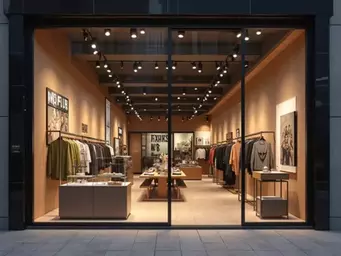
Engaging window displays capture attention and draw customers into the store, providing the first impression of the brand.
Power of Lighting
The right lighting can significantly boost mood and motivate impulse purchases, enhancing the overall shopping experience.
Strategic Color Usage
Colors evoke emotions and are vital in product placement and display design, influencing customer reactions and purchasing decisions.
Interactive Elements
Incorporating interactive displays fosters deeper connections with customers, enhancing the overall shopping experience.
Understanding the Role of Interior Displays in Shaping Customer Behavior
When we think about the atmosphere of a retail space, we often overlook the power of interior displays. At Elevate Retail Branding, we believe that these displays are more than just pretty decorations—they are strategic tools that can influence how customers behave and feel in your store. Understanding the key concepts of visual merchandising can help you create a shopping experience that resonates with your audience.
Interior displays include a variety of elements such as product arrangements, signage, and overall layout. These components work together to create a cohesive look that guides customers through your space. Just like a well-composed painting, a retail environment needs to tell a story and engage the viewer. Let’s explore some key terminologies:
- Visual Merchandising: The practice of displaying products to enhance sales.
- Interior Displays: Any visual presentation of products within a store.
- Customer Journey: The path customers take from entering the store to making a purchase.
Significance of Retail Environment on Consumer Decisions
The retail environment plays a crucial role in shaping the shopping experience. Have you ever walked into a store and felt instantly comfortable or excited? That's the impact of a well-crafted environment! Research shows that the way a space is designed can significantly affect customer decisions, from the products they notice to their overall satisfaction.
At Elevate Retail Branding, we focus on creating spaces that invite exploration and discovery. Here are some key factors that influence the retail environment:
- Aesthetics: The visual appeal of your displays can attract or repel customers.
- Layout: A strategic layout guides customers through the space and encourages them to browse.
- Comfort: An inviting atmosphere makes customers feel at ease, encouraging longer visits.
By considering these elements, retailers can enhance customer experiences, ultimately leading to increased sales and loyalty. Are you curious about how these concepts might apply to your store? I invite you to reflect on your own shopping experiences and how they relate to the spaces you frequent.
Key Components of Visual Merchandising and Their Effects
Impact of Store Layout on Customer Navigation and Satisfaction
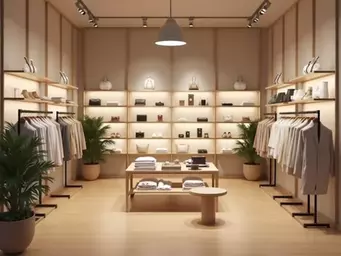
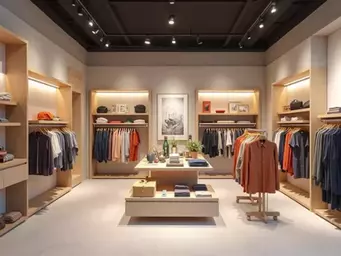
The layout of your store is like a roadmap for customers. A well-planned layout can guide customers smoothly from one area to another, making them feel more satisfied with their shopping journey. At Elevate Retail Branding, we emphasize the importance of creating clear pathways and sightlines that encourage exploration.
Consider these effective store layouts:
- Grid Layout: Ideal for grocery stores; allows easy navigation and product organization.
- Loop Layout: Encourages browsing by guiding customers along a set path.
- Free-Flow Layout: Promotes exploration and discovery, perfect for boutique stores.
Each layout style has its benefits, depending on the type of products you sell and the experience you want to create for your customers. What layout do you feel works best in your space? It might just be the key to increasing customer satisfaction!
The Influence of Window Displays on Initial Customer Attraction
Have you ever been drawn into a store by a stunning window display? Window displays are crucial for capturing attention and generating interest. They serve as the first impression of your brand and can entice potential customers to step inside. For more insights on how to make your storefront stand out, check out this guide on enhancing branding with window graphics.
Consider these tips for creating standout window displays:
- Storytelling: Use your display to tell a story that resonates with your target audience.
- Seasonal Themes: Keep your displays fresh by aligning them with current holidays or seasons.
- Clear Messaging: Incorporate concise text that communicates your brand’s value or current promotions.
By implementing these strategies, you can create window displays that not only attract attention but also invite customers to experience your store further. What stories do your current displays tell?
Lighting Effects on Mood and Buying Behavior
Lighting is often an overlooked yet powerful tool in retail spaces. The right lighting can set the mood, highlight products, and influence purchasing decisions. At Elevate Retail Branding, we understand the importance of lighting in creating an inviting atmosphere.
Consider these lighting techniques for your store:
- Ambient Lighting: Provides overall illumination, creating a welcoming environment.
- Accent Lighting: Highlights specific products or areas to draw attention.
- Task Lighting: Ensures that customers can easily view products, especially in detailed displays.
By using various lighting techniques, you can create an ambiance that encourages customers to linger longer and explore more. How does your current lighting affect the mood in your store?
Product Placement Strategies and Shopper Engagement
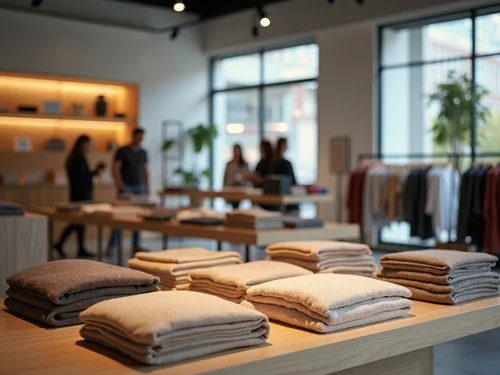
Strategic product placement can make a significant difference in sales. By positioning products in ways that catch the customer’s eye, you can boost engagement and encourage purchases. At Elevate Retail Branding, we focus on creating layouts that facilitate effective product visibility.
Here are some effective product placement strategies:
- Eye-Level Placement: Place high-margin items at eye level to encourage purchases.
- Thematic Displays: Group related products together to inspire cross-selling.
- End Caps: Use end caps for seasonal or promotional items to maximize visibility.
These strategies can help create an engaging shopping experience, leading to higher sales. What placement strategies have you found work best in your environment?
Color Psychology and Its Impact on Consumer Behavior
Colors have a profound impact on emotions and perceptions. By understanding color psychology, you can create displays that resonate with your customers on a deeper level. At Elevate Retail Branding, we utilize color to evoke specific feelings and drive purchasing decisions.
Here are some color associations to keep in mind:
- Red: Excitement and urgency—perfect for sales!
- Blue: Trust and dependability—ideal for brands wanting to convey professionalism.
- Green: Calm and relaxation—great for wellness or nature-inspired brands.
By strategically choosing colors for your displays, you can influence how customers feel and motivate them to make purchases. What colors are dominating your current displays?
Interactive Displays and Customer Experience
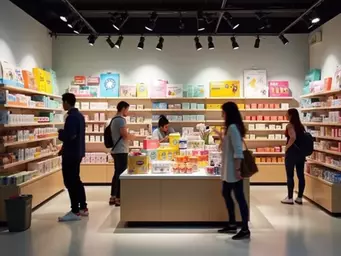
In today’s retail landscape, interactive displays are becoming increasingly popular. They invite customers to engage with products in a fun and memorable way. At Elevate Retail Branding, we believe that interactive elements can significantly enhance customer experience and brand identity.
Consider incorporating these interactive display ideas:
- Touch Screens: Allow customers to explore product information and reviews.
- Product Samples: Let customers try before they buy to encourage confidence in their choices.
- Augmented Reality: Use AR to create immersive experiences that connect customers with your brand.
These interactive elements can draw customers in and create lasting impressions. How could you incorporate interactivity into your displays to engage your audience further? For more detailed strategies on making your in-store branding effective, explore our article on how interior displays shape customer experience.
Quick Summary
Here's a brief recap of the key points discussed so far:
- Interior Displays: They are strategic tools that influence customer behavior and enhance the shopping experience.
- Retail Environment: The aesthetics, layout, and comfort of a store significantly affect consumer decisions and satisfaction.
- Visual Merchandising Components: Effective product placement, lighting, and color psychology are vital in shaping customer perceptions and driving sales.
Summarizing Insights on the Impact of Interior Displays
Key Takeaways from Research on Customer Behavior
After exploring the fascinating world of interior displays and their influence on customer behavior, it becomes clear that these visual elements play a crucial role in shaping shopping experiences. Key findings include:
- Effective Layouts: Store layouts should guide customers smoothly, enhancing their shopping journey.
- Dynamic Displays: Engaging window displays capture attention and draw customers inside.
- Power of Lighting: The right lighting can significantly boost mood and motivate impulse purchases.
- Strategic Color Usage: Colors evoke emotions, making them vital in product placement and display design.
- Interactive Elements: Incorporating interactive displays fosters deeper connections with customers.
These insights remind us at Elevate Retail Branding how powerful visual marketing can be. As we strive to enhance brand visibility, understanding these factors helps us create tailored solutions for retail environments!
Practical Implications for Retailers in Enhancing Store Designs
For retailers looking to elevate their visual merchandising strategies, here are some actionable recommendations to consider:
- Analyze Store Layout: Review your layout to ensure it's intuitive and encourages exploration.
- Invest in Quality Lighting: Choose lighting that highlights products and creates a warm, inviting atmosphere.
- Use Color Psychology: Select colors that resonate with your target audience and evoke desired emotions.
- Create Interactive Displays: Engage customers with touchpoints that encourage interaction and enhance experience.
- Regularly Update Displays: Keep your displays fresh and relevant to maintain customer interest and excitement.
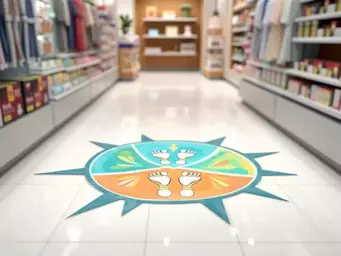
At Elevate Retail Branding, I firmly believe that these practical steps can transform retail spaces into engaging environments. By applying these strategies, retailers not only enhance the customer experience but also foster lasting connections with their audience! Discover more about creating an impactful in-store presence by learning about designing effective retail floor decals.
Engagement and Further Exploration
FAQs Related to Interior Displays and Customer Behavior
As we dive deeper into the impact of interior displays, you might have some questions. Here are a few common ones:
- What makes a window display effective? A successful window display should tell a story, reflect your brand identity, and entice passersby with creativity.
- How often should I change my interior displays? Regular updates (every 4-6 weeks) keep the store feeling fresh and encourage return visits from customers.
- Can lighting really affect sales? Yes! Proper lighting highlights products and sets the mood, directly influencing buying decisions.
- What role does color play in customer behavior? Colors can evoke specific emotions, so choosing the right palette can enhance the shopping experience.
- How can I measure the effectiveness of my displays? Analyze sales trends and customer feedback to determine which displays resonate best with your audience.
Inviting Reader Interaction and Feedback
I would love to hear your thoughts! How have interior displays influenced your shopping experiences? Are there specific designs that caught your eye? Sharing your insights can help all of us learn more about the fascinating world of visual merchandising. Feel free to comment below or reach out to Elevate Retail Branding to discuss your experiences further!
Recap of Key Points
Here is a quick recap of the important points discussed in the article:
- Effective Layouts: Store layouts should be intuitive and strategically guide customers to enhance their shopping journey.
- Dynamic Display: Engaging window displays are crucial for capturing attention and drawing customers inside.
- Lighting Matters: Proper lighting significantly boosts mood and can motivate impulse purchases.
- Color Psychology: Colors evoke emotions and are vital in product placement and display design.
- Interactive Elements: Incorporating interactive displays fosters deeper connections with customers and enhances their experience.
- Regular Updates: Keeping displays fresh and relevant maintains customer interest and excitement.