Have you ever walked by a store and felt an irresistible urge to step inside, all because of the stunning window display? The art of visual merchandising is not just creative; it's a science that can significantly boost your sales. In this article, we will delve into the strategies that transform a simple window display into a powerful marketing tool.
What You Will Learn
- The importance of aligning window displays with your brand's identity to build customer trust.
- Key elements to consider when designing displays, including target audience, brand messaging, and seasonal relevance.
- Strategies to enhance display effectiveness, such as creating visual hierarchies and clear calls-to-action.
- Crucial design principles like balance, contrast, and proportion for creating eye-catching displays.
- The value of training staff in effective display execution to ensure consistency and engagement.
- Common mistakes to avoid, such as overcrowding displays and poor lighting, that can detract from visual appeal.
- Effective signage strategies that enhance communication and encourage customer interaction.
- How to tailor displays to different demographics to foster customer loyalty and engagement.
- Techniques for analyzing competitors to identify unique selling points and improve your own display strategies.
Key Strategies for Effective Retail Window Displays
Engaging displays can significantly enhance customer attraction and sales. Here are some critical strategies highlighted in the article:
Visual Hierarchy
Organize elements to guide the customer’s attention towards crucial display parts, enhancing overall effectiveness.
Clear Calls-to-Action
Utilize engaging phrases like “Shop Now” to prompt immediate customer interaction and increase conversion rates.
Feedback Mechanisms
Monitor foot traffic and sales to assess display effectiveness, making adjustments as necessary for optimal engagement.
Avoid Common Mistakes
Be aware of pitfalls such as overcrowding displays or neglecting updates to reflect current promotions.
Understanding the Impact of Eye-Catching Window Displays on Sales
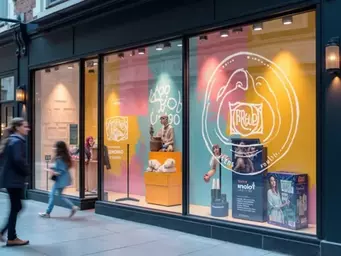
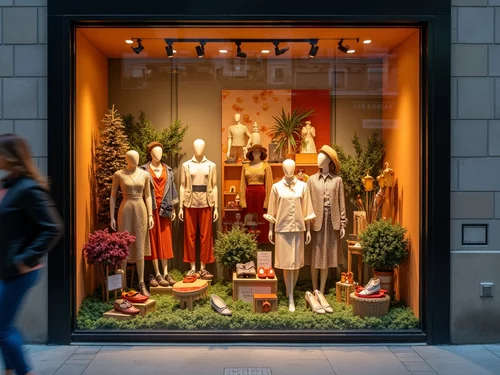
Have you ever strolled past a store and felt drawn in by an *eye-catching window display*? It's no coincidence! These displays play a crucial role in attracting customers and driving sales. At Elevate Retail Branding, we understand that a well-designed window can be the difference between a passerby and a paying customer. So, let's explore how these visuals can have a powerful impact on retail success!
First off, it's essential to recognize how window displays can reflect a brand's identity and values. When customers see a window that resonates with them, it builds trust. This trust often translates into increased foot traffic, which directly affects sales. Think about your own shopping experiences. What draws you in? Is it the colors, the layouts, or the storytelling? The answer varies, but the goal remains the same: to engage and entice! For more insights into how different types of visual marketing can transform your retail space, explore our guide on visual marketing exploring key types.
Exploring Commercial Investigation Intent Behind Window Displays
In retail, understanding the *intent behind window displays* is crucial. We must ask ourselves: what message are we conveying? A successful display should grab attention, inform, and invite interaction. This leads us to consider the following factors:
- Target Audience: Know who you want to attract to tailor your display effectively.
- Brand Messaging: Ensure the display communicates your brand's story and values.
- Seasonal Relevance: Align with current trends and events to keep your display fresh.
By focusing on these elements, we can create a display that speaks volumes about your brand. It becomes more than just a showcase; it tells a story that resonates with potential customers. This connection is what drives them to step inside!
Bridging Information and Strategy for Retail Success
Integrating *strategy into your window displays* can significantly enhance their effectiveness. At Elevate Retail Branding, we emphasize the importance of creating a plan that combines both creativity and analytics. Here are key strategies to consider:
- Visual Hierarchy: Organize elements to lead the customer’s eye to the most critical parts of the display.
- Clear Calls-to-Action: Use phrases like “Shop Now” or “Discover More” to encourage immediate interaction.
- Feedback Mechanisms: Monitor foot traffic and sales to evaluate display effectiveness and make necessary adjustments.
By bridging information with strategy, we can enhance the shopping experience and boost sales. It's about creating a dialogue through your displays that engages customers and compels them to become loyal patrons. Remember, each display is an opportunity to connect! You can further enhance this connection by understanding how interior displays and customer choices influence buying decisions.
Retail Design: The Foundation of Effective Displays
The foundation of any successful retail display lies in effective *design*. This is where creativity meets functionality to create visually appealing arrangements. At Elevate Retail Branding, we believe that a well-crafted design can elevate a simple window into a powerful marketing tool. Here are some design principles to keep in mind:
- Balance: Ensure elements are arranged harmoniously to avoid overwhelming the viewer.
- Contrast: Utilize contrasting colors and textures to highlight key products.
- Proportion: Maintain appropriate scale so that items are visible and attractive without overcrowding the space.
Ultimately, the design serves as the first impression a customer has of your brand. Investing thought and effort into it not only attracts attention but also communicates professionalism and care. So let's create displays that not only grab attention but also tell your unique brand story!
Pro Tip
Did you know? Incorporating seasonal themes into your window displays can significantly enhance customer engagement. By aligning your displays with holidays or local events, you not only attract attention but also foster a sense of relevance and urgency. Consider rotating your displays quarterly to keep your visuals fresh and exciting!
Implementation Strategy: Training Staff for Effective Execution
Training your team is a crucial step in executing effective window displays. At Elevate Retail Branding, we believe that well-prepared staff can elevate the shopping experience through engaging displays. A solid training program not only familiarizes employees with the design elements but also helps them understand the *importance of visual marketing* in driving sales.
To kickstart your training, consider creating a detailed display implementation checklist. This will serve as a helpful guide for your staff, ensuring they don't miss any key aspects when setting up new displays. With a checklist, your team can confidently tackle the task at hand, making sure every element aligns with your brand's vision.
Display Implementation Checklist: Step-by-Step Guide
Here’s a simple checklist to help your staff stay on track during display setup:
- Define the display goals and objectives.
- Identify the key products to feature in the display.
- Gather all materials, including graphics, fixtures, and signage.
- Plan the layout and design before starting the setup.
- Check lighting conditions to enhance visibility.
- Review the final display for consistency with branding.
- Gather feedback from team members and make adjustments as needed.
By following this checklist, your staff can effectively execute displays that not only attract attention but also communicate your brand message clearly!
Common Mistakes to Avoid During Display Setup
Even the best plans can go awry if common mistakes are made. It's essential to be aware of these pitfalls to ensure a smooth execution:
- Ignoring the target audience's preferences.
- Overcrowding the display with too many products.
- Using poor lighting that diminishes visual appeal.
- Failing to maintain cleanliness and organization in the display area.
- Neglecting to update displays to reflect current promotions.
By steering clear of these mistakes, your team can create displays that resonate with customers and are visually appealing. Remember, less is often more when it comes to visual merchandising! For innovative ideas that can help you avoid these pitfalls, consider exploring enhancing branding with window graphics.
Signage Strategies for Effective Communication in Displays
Signage plays a vital role in enhancing your displays. The right signage not only informs but also encourages customers to take action. Here are some effective strategies for signage:
- Use bold, easy-to-read fonts and colors that align with your brand.
- Incorporate clear calls-to-action, such as “Shop Now” or “Limited Time Offer.”
- Keep messages short and focused to grab attention quickly.
- Utilize visuals alongside text to create a more engaging experience.
- Position signage at eye level for maximum visibility.
At Elevate Retail Branding, I often emphasize the importance of clear signage. When done right, signage can guide customers through their shopping journey and significantly boost sales potential. Are your signs telling the right story?
Engaging Different Demographics Through Display Psychology
Understanding your audience is key to creating compelling displays that resonate. Each customer segment has unique preferences and behaviors that can be addressed through thoughtful design. At Elevate Retail Branding, we focus on tailoring our displays to meet the needs of diverse demographics.
For instance, consider factors like age, gender, and lifestyle when designing your displays. By aligning your visual marketing efforts with these characteristics, you can effectively engage specific customer segments and increase foot traffic.
Tailoring Displays to Specific Customer Segments
Here are some effective strategies for customizing your displays:
- Conduct customer research to identify preferences and trends.
- Segment your audience based on demographics and psychographics.
- Use imagery and messaging that resonate with each group.
- Experiment with different styles to see what attracts attention.
- Monitor performance and be ready to adjust your approach.
By tailoring your displays to specific demographics, you foster a sense of connection that encourages customer loyalty. For deeper insights into creating engaging experiences, consider how interior displays shape customer experience, complementing your window strategies.
Addressing Retail Space Constraints for Small Retailers
Space constraints can be a challenge, especially for small retailers. However, with the right strategies, you can maximize your display potential:
- Utilize vertical space with shelves and hanging displays.
- Choose multi-functional fixtures that can be easily rearranged.
- Incorporate mobile displays that can be moved as needed.
- Keep the layout open to avoid overcrowding.
- Highlight key products to draw attention in a smaller space.
By creatively addressing space constraints, small retailers can still achieve impactful visual merchandising that enhances the customer experience.
Understanding Target Audience Behavior for Better Engagement
Finally, understanding how your target audience interacts with displays can inform your design decisions. Pay attention to their behaviors:
- Observe how customers navigate your space.
- Track which displays draw the most attention.
- Gather feedback on what customers love and what could improve.
By analyzing customer behavior, you can refine your visual merchandising strategy, leading to increased engagement and ultimately higher sales.
Analyzing Competitors: Gaining an Edge with Effective Displays
Keeping an eye on what competitors are doing can provide valuable insights. As I work with shop owners at Elevate Retail Branding, I find that competitive analysis is a powerful tool in visual merchandising. It helps you identify what works and what doesn’t in your market.
By examining competitor displays, you can uncover unique selling points that set your brand apart. Look for inspiration, but also pinpoint areas where you can do better. This can give you an edge in attracting customers!
Framework for Competitive Benchmarking in Visual Merchandising
Here’s a simple framework to help you analyze your competition effectively:
- Identify key competitors in your area.
- Evaluate their display strategies and messaging.
- Note the products they highlight and how they present them.
- Assess their customer engagement techniques.
- Gather ideas for what you can implement or adapt in your displays.
This structured approach can uncover opportunities for improvement and innovation in your own retail strategy.
Identifying Unique Selling Points from Competitor Displays
When analyzing competitors, focus on unique selling points that stand out:
- What makes their displays memorable?
- How do they communicate their brand values?
- Do they utilize any innovative technologies?
- What emotional responses do their displays evoke?
Identifying these aspects can inspire you to craft your own unique displays that capture customer interest!
Competition Analysis: Learning from the Best
In addition to analyzing direct competitors, look beyond your immediate market. Take note of what successful brands are doing across different industries. Consider:
- How do they integrate storytelling in their displays?
- What role does color play in their visual marketing?
- How effective are their lighting techniques?
Learning from the best can ignite your creativity and lead to effective visual merchandising strategies that resonate with your audience.
Summary of Key Insights and Actionable Strategies
As we wrap up, let’s recap some best practices for maximizing sales with window displays. By focusing on effective training, customizing strategies for your audience, and analyzing competitors, your retail space can thrive.
Keep in mind these actionable strategies:
- Train staff effectively for display implementation.
- Customize displays based on customer demographics.
- Analyze competitors and learn from their successes.
- Regularly refresh displays to maintain engagement.
Encouraging continuous improvement and embracing innovative approaches will set your retail space apart. So, let’s elevate your brand together!
Frequently Asked Questions About Effective Window Displays
- Q: Why are window displays important for retail success?
- A: Window displays are crucial because they attract potential customers, build brand trust, communicate brand identity and values, and ultimately drive foot traffic and sales.
- Q: What are the key elements to consider when designing a window display?
- A: Key elements include understanding your target audience, ensuring clear brand messaging, and maintaining seasonal relevance to keep the display fresh and engaging.
- Q: How can I make my window display more effective?
- A: To enhance effectiveness, use visual hierarchy to guide customer attention, incorporate clear calls-to-action (e.g., "Shop Now"), and monitor foot traffic and sales data to make necessary adjustments.
- Q: What common mistakes should be avoided in window display design?
- A: Avoid overcrowding the display with too many products, using poor lighting, neglecting cleanliness, and failing to update displays to reflect current promotions or seasons.
- Q: How can signage improve window display communication?
- A: Effective signage uses clear, bold fonts and colors that align with the brand, includes strong calls-to-action, keeps messages concise, utilizes visuals, and is positioned at eye level for maximum impact and guidance.
- Q: How can small retailers overcome space constraints for their displays?
- A: Small retailers can maximize display potential by utilizing vertical space, choosing multi-functional and easily rearrangeable fixtures, incorporating mobile displays, keeping layouts open to prevent overcrowding, and highlighting key products.
Recap of Key Points
Here is a quick recap of the important points discussed in the article:
- Understand Your Audience: Tailor window displays to resonate with your target demographic's preferences and behaviors.
- Effective Design Principles: Use balance, contrast, and proportion to create visually appealing displays that communicate your brand effectively.
- Strategic Messaging: Incorporate clear calls-to-action and concise signage to encourage customer interaction.
- Training & Implementation: Equip staff with a display implementation checklist to ensure consistency and quality in setup.
- Avoid Common Pitfalls: Be mindful of overcrowding, poor lighting, and neglecting to update displays with current promotions.
- Analyze Competitors: Learn from competitor displays to identify unique selling points and innovative strategies that can enhance your own visual merchandising.
- Regular Refreshing: Keep displays fresh and relevant to maintain customer engagement and interest in your brand.