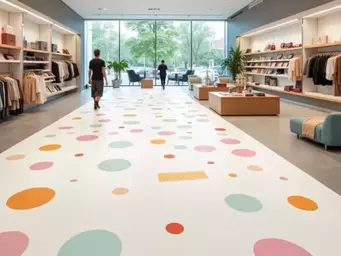
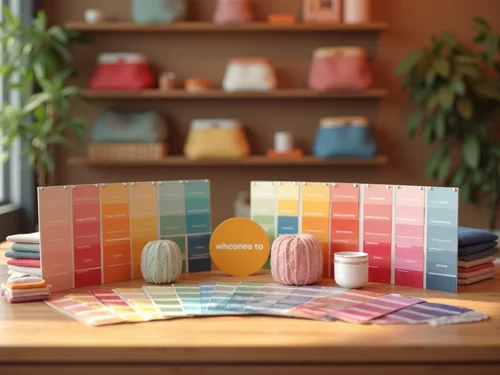
Color isn’t just for aesthetics—it’s a powerful tool that shapes consumer behavior and emotions in retail. Understanding the psychology behind color choices is essential for any retailer aiming to enhance their brand identity and customer experience.
What You Will Learn
- Colors significantly influence customer perceptions, evoking emotions like trust (blue) and urgency (red).
- Consistent color usage across branding materials fosters recognition and loyalty among consumers.
- Employing metrics such as sales performance and customer feedback can help measure the effectiveness of color strategies.
- Testing tools like A/B testing, eye tracking, and heat maps provide insights into customer responses to color choices.
- A strong connection to a brand's color scheme can enhance brand loyalty and lead to consistent sales performance.
- Strategic color choices can create a more engaging shopping experience, ultimately boosting sales and brand perception.
Impact of Color on Retail Branding
Color psychology shapes consumer emotions and behaviors, influencing brand identity and purchase decisions. Below are key metrics and color associations that enhance retail success. To truly understand the breadth of this topic, consider exploring visual marketing exploring key types that complement color strategies.
Brand Recognition
Colors can make your brand instantly recognizable, fostering customer loyalty and trust.
Emotional Connection
Colors can create emotional ties that influence shopping behavior, enhancing the overall customer experience.
Sales Performance
Tracking sales data before and after implementing new color strategies can reveal trends and effectiveness.
Customer Feedback
Surveys and focus groups provide insights into customer perceptions of color choices and their effects.
Understanding the Power of Color Psychology in Retail Branding
Color is more than just a visual element; it plays a crucial role in how customers perceive a brand. At Elevate Retail Branding, we recognize the profound impact of color psychology and how it can enhance a retail environment. This article will explore how color influences emotions, brand identity, and overall shopping experiences, helping retailers make informed decisions about their visual strategy.
When we talk about color psychology, we refer to the study of how colors affect human behavior and emotions. It’s fascinating how a simple color can evoke feelings of trust, excitement, or even urgency! Understanding these concepts is vital for anyone trying to create a compelling retail space. But why exactly does this matter in retail? Let’s dive in!
Defining Color Psychology and its Relevance to Retail
Color psychology is vital for retail branding as it shapes consumer perceptions and influences their shopping behavior. Different colors convey unique messages, which can create specific feelings in customers. For instance, blue often represents trust and reliability, while red signals excitement and urgency. By harnessing these emotional responses, retailers can enhance their brand identity and drive sales. For more insights on engaging customers, explore how interior displays and customer choices work together.
Here are some key points regarding the relevance of color psychology in retail:
- Brand Recognition: Colors can make your brand instantly recognizable.
- Emotional Connection: Colors can create emotional ties and influence shopping behavior.
- Target Audience Appeal: Choosing the right colors can attract your desired clientele.
Exploring the Relationship Between Color and Brand Identity
Brand identity is defined by how a brand is perceived by customers, and color plays a crucial role in this. For instance, at Elevate Retail Branding, we often emphasize the importance of selecting colors that align with a brand's values and goals. When customers see consistent colors across a brand's materials, it fosters recognition and loyalty.
Here are some effective ways color shapes brand identity:
- Consistency: Consistent color usage boosts brand recall.
- Storytelling: Colors help tell your brand's story and convey its mission.
- Emotional Appeal: The right colors can resonate emotionally with your audience.
By understanding how color connects to brand identity, retailers can create a cohesive visual strategy that resonates with their target audience. Are you ready to see how these principles apply to your brand? Let’s explore how color influences customer emotions and purchase decisions next!
Quick Summary
Here's a brief recap of the key points discussed so far:
- Color Psychology Basics: Understanding how colors influence emotions and consumer behavior is crucial for effective retail branding.
- Impact on Brand Identity: Consistent color usage can enhance brand recognition and foster emotional connections with customers.
- Measuring Effectiveness: Utilizing metrics like sales performance and customer feedback is essential for assessing the success of color strategies.
Measuring the Effectiveness of Color Choices in Retail Branding
In the world of retail, understanding how color affects consumer behavior is essential. But how can we measure the effectiveness of our color choices? Developing metrics is a crucial step for retailers looking to assess the success of their color strategies. I’ve found that using a blend of qualitative and quantitative approaches helps to build a comprehensive understanding of how colors resonate with customers.
Some key metrics to consider include:
- Sales Performance: Tracking sales data before and after implementing new color strategies can reveal trends.
- Customer Feedback: Surveys and focus groups can provide insights into customer perceptions of color choices.
- Brand Recognition: Measuring changes in brand recognition through brand recall studies can indicate color effectiveness.
By utilizing these metrics, retailers can fine-tune their color strategies to ensure they align with their brand identity and customer expectations. At Elevate Retail Branding, we often help our clients establish these metrics to empower their decision-making. Don't forget that effective in-store signage can also play a significant role in guiding customer perception.
Tools and Techniques for Testing Customer Responses to Color
Testing customer responses to color is vital for understanding its impact on shopping behavior. Various tools can help retailers gather insights effectively. For instance, A/B testing can provide valuable data on how different color schemes perform. By presenting two versions of a display—one with a warm color palette and another with cool tones—you can observe which resonates more with customers.
Here are some popular techniques you might find useful:
- Surveys: Directly asking customers about their preferences can yield immediate feedback.
- Eye Tracking: This technology reveals which colors attract attention and maintain focus.
- Heat Maps: Analyzing customer movement patterns in-store can show which colors draw shoppers to specific areas.
By employing these tools, retailers can make informed decisions about their visual marketing strategies. It’s exciting to think about how a strategic color choice can not only elevate aesthetics but also boost sales!
Analyzing the Psychological Impact of Color on Brand Loyalty and Sales Performance
The relationship between color and consumer psychology is profound! Understanding how color affects brand loyalty can drive long-term success. When customers develop a positive connection with a brand's color scheme, they're more likely to return. This loyalty often translates into consistent sales performance.
To analyze this impact effectively, consider focusing on:
- Customer Retention Rates: Higher retention rates can indicate strong emotional connections fostered by effective color use.
- Repeat Purchase Behavior: Monitoring patterns of repeat purchases can reveal how color influences brand loyalty.
- Customer Engagement: Engagement metrics on social media and website interactions can provide insights into consumer sentiment towards your brand colors.
By examining these areas, retailers can gauge the effectiveness of their color choices in fostering brand loyalty. As a passionate advocate for retail branding, I believe that understanding these elements is essential for creating lasting impressions! This extends to other visual elements, such as enhancing branding with window graphics, which also play a role in customer perception.
Conclusion: Implementing Color Psychology for Retail Branding Success
In summary, leveraging color psychology in retail branding can transform the shopping experience. From understanding the emotional triggers associated with colors to developing effective metrics for assessing their impact, the potential for enhancing brand perception is immense. By embracing these strategies, retailers can create a more engaging and memorable shopping environment.
At Elevate Retail Branding, I'm thrilled to witness the positive changes that thoughtful color choices can bring to a retail space. I encourage all retailers to explore the power of color psychology and consider how they can apply it to their branding efforts. After all, a splash of color can create a beautiful canvas for retail success!
Recap of Key Points
Here is a quick recap of the important points discussed in the article:
- Understanding Color Psychology: Colors influence emotions and consumer behavior, affecting how a brand is perceived.
- Brand Recognition: Consistent use of color enhances brand recognition and builds trust with consumers.
- Emotional Connections: Colors can evoke specific feelings, creating emotional ties that influence purchasing decisions.
- Effective Metrics: Track sales, customer feedback, and brand recognition to measure the effectiveness of color strategies.
- Testing Techniques: Utilize surveys, eye tracking, and heat maps to analyze customer responses to color choices.
- Brand Loyalty Impact: Positive emotional connections to color schemes can enhance customer retention and engagement.
Frequently Asked Questions About Color Psychology in Retail Branding
- Q: How does color psychology influence consumer behavior in retail?
- A: Color psychology influences consumer behavior by evoking specific emotions and perceptions. For example, blue often conveys trust, while red can stimulate urgency, directly impacting purchase decisions and brand perception.
- Q: What are the key metrics for measuring the effectiveness of color choices?
- A: Key metrics include sales performance (tracking changes before/after color implementation), customer feedback (surveys, focus groups), and brand recognition studies (measuring brand recall and association).
- Q: How can retailers test customer responses to different color schemes?
- A: Retailers can use tools like A/B testing (comparing two color versions), surveys (gathering direct preferences), eye tracking (identifying visual attention), and heat maps (analyzing in-store movement patterns).
- Q: What is the role of consistent color usage in brand identity?
- A: Consistent color usage across all branding materials makes a brand instantly recognizable, fosters customer loyalty, and builds trust. It helps tell the brand's story and conveys its mission effectively.
- Q: How does color impact brand loyalty and sales performance?
- A: When customers form a positive emotional connection with a brand's color scheme, it enhances brand loyalty, leading to higher customer retention rates and consistent repeat purchases. This emotional connection directly contributes to improved sales performance.