
In a world where first impressions matter, visual marketing has the power to transform a retail space from ordinary to extraordinary. Imagine walking into a store that not only showcases products but tells a story through stunning visuals that engage and captivate you. This article delves into the crucial role of visual marketing in retail management, offering insights that can help elevate your brand's presence and drive sales.
What You Will Learn
- Visual marketing is essential for creating strong connections with customers through effective storytelling and brand identity.
- Effective visual merchandising increases sales by attracting and retaining customer attention through eye-catching displays.
- Choosing the right visual marketing tools depends on your store's size and specific operational needs for maximum effectiveness.
- Investing in user-friendly tools enhances the shopping environment, improves customer experience, and encourages brand loyalty.
- Considerations for integration and scalability are key when selecting visual marketing solutions for future growth.
Key Components of Effective Visual Marketing
Visual marketing encompasses various elements that enhance customer engagement and drive sales in retail environments. Understanding these components is vital for any business looking to create a compelling in-store experience. Below is a comparison of key components and their benefits.
Brand Consistency
Ensure all visual elements align with your overall branding to build recognition and trust.
Customer Engagement
Use visuals to capture attention and interact effectively with your customers.
Storytelling
Tell your brand’s story through creative displays and signage that resonate with customers.
Increased Sales
Engaging visuals lead to higher sales by drawing attention to promotions and new items.
Enhanced Customer Experience
A well-structured shopping environment makes customers feel welcomed and valued.
Brand Loyalty
Memorable visual experiences encourage customers to return to your store.
Understanding Visual Marketing Tools for Retail Management
In today's competitive retail landscape, the role of visual marketing has become increasingly crucial. At Elevate Retail Branding, we believe that visual marketing is not just about aesthetics; it’s about creating a powerful connection with your customers. In simple terms, visual marketing in retail refers to the use of images, graphics, and layout to attract and engage shoppers. These tools help to tell your brand's story and guide customers through their shopping experience. For a deeper dive into the different approaches, explore visual marketing exploring key types.
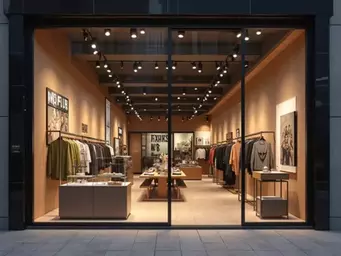
When I think about how effective visual marketing can transform a retail space, I envision a vibrant storefront that invites customers in and keeps them engaged. It’s like setting the stage for a performance where your products take center stage! By using strategic visual elements—like eye-catching window displays or well-placed signage—you can enhance customer experience and drive sales.
Defining Visual Marketing in Retail
At its core, visual marketing involves creating appealing visuals that communicate your brand message. This includes everything from window graphics to interior displays and promotional signage. Each piece plays a vital role in representing your brand’s identity and values. Moreover, well-executed visual marketing encourages impulse purchases and keeps customers returning for more.
Here are a few key components that define visual marketing in retail:
- Brand Consistency: Ensure all visual elements align with your overall branding.
- Customer Engagement: Use visuals to engage and interact with your customers effectively.
- Storytelling: Tell your brand’s story through creative displays and signage.
The Importance of Effective Visual Merchandising
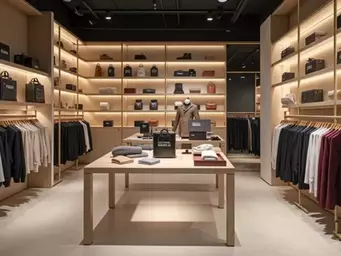
Effective visual merchandising is essential for converting foot traffic into sales. Have you ever walked into a store and felt compelled to browse because of a stunning display? That’s the magic of visual merchandising! It’s not just about how products are arranged on the shelves but how they are presented in a way that captivates shoppers and drives them to make a purchase.
Consider the following significant benefits of effective visual merchandising:
- Increased Sales: Engaging visuals can lead to higher sales by drawing customers’ attention to promotions or new items.
- Enhanced Customer Experience: A well-structured shopping environment makes customers feel welcomed and valued.
- Brand Loyalty: Memorable visual experiences encourage customers to return to your store.
At Elevate Retail Branding, we are passionate about helping retail businesses leverage the power of visual marketing. By understanding the importance of these tools, you can create an environment that not only attracts customers but also keeps them coming back for more. Let's dive deeper into the key considerations for choosing the right marketing tools to elevate your retail management strategy!
Quick Summary
Here's a brief recap of the key points discussed so far:
- Visual Marketing Definition: It's about using images and layouts to create a connection with customers.
- Key Components: Brand consistency, customer engagement, and storytelling are vital for effective visual marketing.
- Importance of Visual Merchandising: Engaging displays can increase sales and enhance customer experience.
- Choosing the Right Tools: Consider your store's size and unique needs when selecting visual marketing tools.
Addressing Common Concerns and Questions
When it comes to selecting the right visual marketing tool, many retail managers often find themselves overwhelmed by the options available. It's important to remember that the choice largely depends on your store's size and unique needs. I often encourage my clients at Elevate Retail Branding to take a moment to assess their specific requirements before diving into the available solutions. Understanding your context can help you narrow down what features are most important for your business.
For example, small retailers might prioritize simplicity and ease of use, while larger retailers may require advanced functionalities. Here’s a quick rundown of considerations based on retail size:
- Small Retailers: Look for tools that offer user-friendly interfaces and essential features without overwhelming options.
- Medium Retailers: Seek solutions that scale well, providing a balance of functionality and efficiency.
- Large Retailers: Invest in robust tools that support complex operations, compliance needs, and team collaboration.
FAQs on Training, Integration, and Scalability
As retail managers embark on their journey of incorporating new visual marketing tools, several common questions often arise regarding training, integration, and scalability. Let’s tackle some of these concerns head-on to ease your mind as you make your choice.
Frequently Asked Questions
Here are some common questions about visual marketing in retail:
- What is visual marketing in retail?
Visual marketing in retail involves using various visual elements like images, graphics, and store layouts to attract, engage, and guide shoppers, ultimately enhancing their experience and driving sales. - Why is visual merchandising important for retail businesses?
Effective visual merchandising is crucial because it helps convert foot traffic into sales, increases customer engagement, enhances the overall shopping experience, and builds brand loyalty. - What are the key components of effective visual marketing?
Key components include brand consistency across all visual elements, strategies for customer engagement through compelling displays, and storytelling to communicate the brand's message and values. - How do I choose the right visual marketing tools for my store?
Choosing the right tools depends on your store's size and specific needs. Small retailers might prefer user-friendly tools, while larger retailers may require advanced features, scalability, and robust integration capabilities. - What should I consider regarding training, integration, and scalability for new visual marketing tools?
Look for tools that offer comprehensive training and ongoing support. Ensure they integrate seamlessly with existing systems (POS, inventory) and are scalable to accommodate future business growth and increased functionality needs.
- What training is required? Many tools offer comprehensive onboarding sessions and tutorials to help your team get up to speed. It's beneficial to select a tool that provides ongoing support as your team grows.
- How do I ensure integration with existing systems? Look for tools that offer API access or pre-built integrations to connect seamlessly with your current POS and inventory systems. This will save time and minimize disruptions.
- Can the tool scale with my business? Choosing scalable solutions that grow with your business is crucial. Evaluate whether the tool can handle increased user access and more complex functionalities as your needs evolve. For more information, consider reading about digital signage in retail spaces.
Summarizing Key Insights and Recommendations
As we wrap up our discussion on visual marketing tools, it's essential to focus on the right fit for your unique retail strategy. I often remind my clients that investing in the right tools is about enhancing customer experience and driving sales through effective visual communication. Take the time to evaluate your options carefully, considering functionality, ease of use, and customer support.
Remember, at Elevate Retail Branding, our mission is to empower businesses like yours through innovative solutions. So don't hesitate to explore various tools and find the one that resonates with your goals. The right visual marketing tool can transform your retail space into an engaging environment that captivates your customers!
Encouragement to Explore the Best Fit for Your Retail Strategy
Your journey into the world of visual marketing tools should feel exciting and empowering! I encourage you to take the first step and explore the options available. Think about how these tools can elevate your retail presence and enhance the shopping experience for your customers. By investing time in finding the best fit, you're not just improving your operational efficiency; you’re creating a vibrant and inviting atmosphere in your store. To further enhance your understanding of creating such an atmosphere, consider delving into in-store branding and customer experience.
Ultimately, the right visual marketing tools can turn your retail goals into reality. So, let’s get started on this journey together, and remember, I’m here to help you every step of the way!
Recap of Key Points
Here is a quick recap of the important points discussed in the article:
- Visual Marketing Definition: Visual marketing in retail involves using images, graphics, and layout to create a connection with customers and enhance their shopping experience.
- Key Components: Focus on brand consistency, customer engagement, and storytelling through creative displays and signage.
- Benefits of Visual Merchandising: Effective visual merchandising can increase sales, enhance customer experience, and build brand loyalty.
- Choosing the Right Tools: Assess your retail size and unique needs to select visual marketing tools that offer the best features and ease of use.
- Training and Integration: Opt for tools that provide comprehensive training, support, and seamless integration with existing systems.
- Scalability: Choose scalable solutions to accommodate your growing business needs and complexities.