What if a simple sign could dramatically enhance your customers' shopping experience? In the retail world, effective signage is not just about aesthetics—it's a strategic tool that drives foot traffic and boosts sales. Dive into the critical insights that can transform your retail signage strategy!
What You Will Learn
- The role of retail signage in establishing brand identity and guiding customer navigation.
- How effective signage can increase foot traffic and enhance customer experience.
- Strategies for creating dynamic seasonal and promotional signage that engages customers.
- The importance of flexibility in signage design to adapt to changing inventory and trends.
- Real-world success stories demonstrating the impact of strategic signage on retail performance.
- Key metrics to measure the effectiveness of your signage and make data-driven decisions.
- Best practices for designing custom signage that prioritizes clarity, brand consistency, and accessibility.
Impact of Effective Signage on Customer Behavior
Research shows that well-designed signage can significantly affect customer behavior in several ways. At Elevate Retail Branding, we understand how effective signage can shape the shopping experience by guiding customers and enhancing their understanding of your products. Learn more about visual marketing exploring key types to further optimize your store's appeal.
Increase Foot Traffic
Eye-catching displays attract more potential customers.
Boost Sales
Clear promotional signage can lead to higher conversion rates.
Enhance Customer Experience
Informative signs reduce frustration and make shopping more enjoyable.
Understanding the Importance of Retail Signage Design
When you walk into a store, the first thing that captures your attention often isn’t the products themselves, but the signage. Retail signage is more than just signs; it's a crucial element that communicates your brand's identity. At Elevate Retail Branding, we understand how effective signage can shape the shopping experience by guiding customers and enhancing their understanding of your products.
Signage in retail environments serves multiple roles. It can direct traffic, promote sales, and inform customers about products or services. When designed effectively, it not only catches the eye but also tells a compelling story about your brand, creating a connection with your audience. So, how can you ensure your signage stands out in today’s competitive landscape?
Defining the Role of Signage in Retail Environments
Retail signage plays several key roles in your store. Here are some important functions:
- Brand Identity: Signage helps establish your store's brand identity, making it instantly recognizable.
- Information Delivery: It provides essential information about products, promotions, and store layout.
- Customer Guidance: Properly placed signs can guide customers through your store, enhancing their shopping journey.
Every detail counts when it comes to signage design. For instance, at Elevate Retail Branding, we focus on creating signage that reflects the essence of your brand, ensuring it aligns with your overall marketing strategy. Each sign should tell your story and invite customers to engage, turning casual browsers into loyal shoppers! For more insights, explore how interior displays and customer choices intertwine.
Exploring the Impact of Effective Signage on Customer Behavior
Have you noticed how some stores make you want to explore while others leave you feeling lost? The impact of effective signage on customer behavior is profound. Research shows that well-designed signage can:
- Increase Foot Traffic: Eye-catching displays attract more potential customers.
- Boost Sales: Clear promotional signage can lead to higher conversion rates.
- Enhance Customer Experience: Informative signs reduce frustration and make shopping more enjoyable.
It's fascinating how a simple sign can change a shopper's mindset! By strategically placing engaging signage, you can create a welcoming atmosphere that encourages customers to explore and make purchases. At Elevate Retail Branding, we aim to help you harness that power, enriching the shopping experience through thoughtful design.
Core Principles of Designing Custom Signage
Understanding the core principles of designing custom signage is crucial for maximizing its effectiveness. You want your messages to be clear and appealing. Here’s what to keep in mind:
Pro Tip
Did you know? Incorporating customer feedback into your signage design can significantly enhance its effectiveness. Regularly engage with your customers to understand their preferences and pain points. Use this feedback to refine your signage, ensuring it resonates with their needs and expectations. This approach not only improves customer satisfaction but also strengthens brand loyalty!
Dynamic Approaches to Seasonal and Promotional Signage
Seasonal and promotional signage is an incredible way to engage customers and boost sales! At Elevate Retail Branding, we love helping our clients create eye-catching designs that resonate with their audience. By adapting signage for different seasons or special promotions, retailers can effectively communicate their offerings and draw in foot traffic.
Here are some strategies I recommend for adapting your signage effectively:
- Utilize vibrant colors that reflect the season or promotion.
- Incorporate playful graphics that capture attention.
- Highlight limited-time offers to create urgency.
- Change messaging based on customer feedback and preferences.
By employing these techniques, you not only keep your brand fresh but also encourage customers to explore what’s new. Remember, a well-timed promotion can transform your store into a must-visit destination! You can also find ideas on seasonal signage trends for retailers.
Incorporating Flexibility in Design for Inventory Changes
Flexibility in signage design is crucial, especially in fast-paced retail environments. As inventory changes, the ability to update your signage quickly ensures that your customers are always informed. A versatile approach means your visuals can adapt to reflect current stock or seasonal trends without needing a complete overhaul.
Consider these options for flexible signage:
- Modular signage systems that allow easy updates.
- Utilizing dry-erase or chalkboard materials for quick changes.
- Digital displays that can be updated in real time.
- Interchangeable graphics that allow for seasonal themes.
Incorporating these strategies not only streamlines your signage process but also saves time and costs. You can remain agile in responding to customer interests while maintaining a cohesive brand presence.
Real-World Applications and Success Stories
Real-world applications of effective signage design can inspire all of us in the retail space. At Elevate Retail Branding, we have witnessed firsthand how strategic signage can elevate a store's performance. Let me share some success stories that showcase the impact of thoughtful signage across various retail sectors!
For instance, a local clothing boutique recently revamped their window displays with seasonal graphics. The results? A remarkable 30% increase in foot traffic during the holiday season! Here are some examples of effective signage strategies:
- Clear, attractive promotions that resonate with seasonal shoppers.
- Targeted signage that aligns with customer demographics.
- Interactive displays that engage shoppers and encourage social sharing.
These case studies truly highlight how critical effective signage is in driving customer engagement and boosting sales. Let these stories motivate you to elevate your own retail signage!
Measurable Outcomes from Implementing Strategic Signage Design
When it comes to measuring the success of your signage, data is your best friend! Retailers often overlook the importance of tracking their signage effectiveness. However, knowing the impact of your signage can lead to smarter business decisions and increased revenue.
Here are some key metrics to consider:
- Foot traffic counts before and after new signage installation.
- Sales data linked to specific promotional signage.
- Customer feedback regarding signage clarity and appeal.
- Social media engagement related to signage themes.
By analyzing these metrics, you can refine your approach and ensure your signage strategy continues to resonate with customers. Remember, it’s not just about putting signs up; it's about creating impactful visuals that connect and convert!
Engaging Customers Through Effective Signage
How do you make your customers feel welcomed and excited when they enter your store? Engaging signage plays a vital role in this process. Adding elements of personality and humor to your signage can create a unique shopping experience that resonates with your audience!
Here are some tips to enhance customer engagement through your signage:
- Use light-hearted messaging that reflects your brand's voice.
- Create visual puns or playful designs to surprise and delight shoppers.
- Incorporate customer testimonials or quotes to build trust.
- Feature local artists or community elements in your displays.
These techniques can help you create an inviting atmosphere that encourages customers to return. Remember, a little creativity goes a long way in building lasting relationships with your shoppers!
Call-to-Action Strategies that Drive Customer Engagement
A strong call-to-action (CTA) can significantly influence customer behavior. It guides shoppers on what to do next and creates a sense of urgency. Effective CTAs make it clear what action you want your customers to take, whether it’s to buy, sign up, or explore further.
Here are some powerful CTA strategies to consider:
- Use bold, clear language that resonates with your customers.
- Incorporate persuasive elements like "Limited Time Offer" or "While Supplies Last."
- Utilize action-oriented phrases such as "Shop Now!" or "Join Us Today!"
- Position your CTAs prominently on signage to capture attention.
With the right CTAs, you can guide your customers through their shopping journey, leading them to make purchases and engage with your brand! Let’s make every sign a stepping stone toward a delightful shopping experience.
Exploring Types of Retail Signage
With so many types of signage available, it’s important to understand which ones will best serve your retail environment. Each type of signage has a unique purpose and can significantly impact how customers navigate and interact with your store.
Here’s a breakdown of the essential types of retail signage:
- Indoor Signage: Enhances customer navigation within the store.
- Outdoor Signage: Attracts foot traffic and creates first impressions.
- Wayfinding Signage: Directs customers efficiently through the shopping experience.
- Point of Purchase Displays: Maximizes sales opportunities at key decision points.
- Safety Signage: Ensures a secure retail environment for staff and customers.
By thoughtfully integrating various types of signage into your retail space, you can cultivate a seamless and engaging shopping experience. Elevate Retail Branding can help you choose the right signage to maximize your impact! For more on specific types, consider how digital signage in retail spaces can revolutionize your approach.
Indoor Signage: Enhancing Customer Navigation
Indoor signage is essential for guiding customers through your store. Well-placed signs can lead shoppers to specific departments or highlight ongoing promotions. Think of it as a friendly guide helping your customers find exactly what they need!
Some effective indoor signage strategies include:
- Directional signs that clearly indicate product categories.
- Promotional signs that advertise current deals.
- Clear labeling for specific sections to enhance the shopping journey.
By implementing these strategies, you create an organized shopping experience that keeps customers coming back for more!
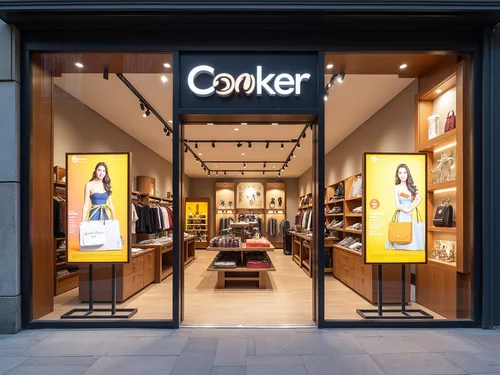
Outdoor Signage: Attracting Foot Traffic
Your outdoor signage serves as the first impression of your retail space. It’s essential to have eye-catching designs that draw people in. Think of your store's exterior as a canvas for creativity!
Here are some tips for effective outdoor signage:
- Use bold colors and large fonts for maximum visibility.
- Incorporate lighting elements to make signage eye-catching at night.
- Highlight your store’s unique offerings to entice passersby.
With the right outdoor signage, you can transform casual walk-bys into enthusiastic shoppers!
Wayfinding Signage: Creating Efficient Shopping Experiences
Wayfinding signage is crucial in large retail spaces, allowing customers to navigate efficiently. It reduces frustration and enhances the overall shopping experience. Customers appreciate clear signs that direct them to their desired destinations.
Consider these elements for your wayfinding signage:
- Maps that show store layout and product locations.
- Color-coded sections to simplify navigation.
- Clear icons or symbols for quick recognition.
This thoughtful approach enhances customer satisfaction and encourages them to explore your offerings without feeling lost.
Point of Purchase Displays: Maximizing Sales Opportunities
Point of purchase displays are a golden opportunity to capture impulse purchases. Strategically placed displays can entice customers at the last moment, leading to increased sales. Think about how you can highlight products right when customers are making decisions!
Here are some tips for effective point of purchase displays:
- Place displays near checkout counters or high-traffic areas.
- Feature items that complement what customers are already purchasing.
- Use engaging visuals to attract attention.
By optimizing these displays, you can transform a simple shopping trip into a fantastic revenue opportunity!
Safety Signage: Ensuring a Secure Retail Environment
Safety signage is essential in maintaining a secure environment for both staff and customers. Clear and visible safety signs can prevent accidents and promote a sense of security. Let’s prioritize safety in your retail space!
When implementing safety signage, consider these aspects:
- Use clear language and symbols that communicate safety protocols.
- Position signs in areas where risks are present.
- Regularly update signage to reflect current safety guidelines.
Creating a safe shopping experience fosters trust and encourages customers to return to your store time and again!
Summarizing Best Practices for Custom Signage Design
As we wrap up our discussion, it’s essential to highlight the core principles of effective signage design. Implementing these best practices can significantly enhance your retail environment and customer experience.
Key takeaways include:
- Focus on clarity, readability, and simplicity in design.
- Ensure brand consistency across all signage.
- Incorporate flexible designs to adapt to inventory changes.
- Leverage visual hierarchy and color contrast for effective layouts.
- Prioritize compliance and accessibility in all signage.
By adhering to these principles, you can create a powerful visual marketing strategy that elevates your retail space and connects with your customers meaningfully!
FAQs About Retail Signage
- What is the primary role of retail signage?
- Retail signage primarily serves to establish brand identity, deliver essential information, and guide customers through the store, enhancing their overall shopping journey.
- How does effective signage impact customer behavior?
- Effective signage can significantly increase foot traffic, boost sales through clear promotional messages, and enhance customer experience by providing informative and engaging visuals, reducing frustration and making shopping more enjoyable.
- Why is flexibility important in retail signage design?
- Flexibility in signage design is crucial for fast-paced retail environments, allowing quick updates for inventory changes, seasonal promotions, and evolving trends. This can be achieved through modular systems, dry-erase materials, or digital displays.
- What are some key metrics to measure signage effectiveness?
- Key metrics include foot traffic counts before and after new signage installation, sales data linked to specific promotions, customer feedback on clarity and appeal, and social media engagement related to signage themes.
- What are the essential types of retail signage?
- The essential types include indoor signage (for navigation), outdoor signage (for attracting foot traffic), wayfinding signage (for efficient movement), point-of-purchase displays (for maximizing sales), and safety signage (for ensuring a secure environment).
Encouraging Action: Evaluate Your Retail Signage Today
Now is the perfect time to evaluate your retail signage! Take a moment to assess how effectively your current signage communicates your brand and engages customers. Remember, effective signage is not just about aesthetics; it's about creating an experience. For a deeper dive into making your store visually appealing, explore enhancing branding with window graphics.
Consider asking yourself:
- Does my signage clearly convey the message I want to share?
- Is my signage visually appealing and aligned with my brand identity?
- Am I leveraging seasonal and promotional opportunities effectively?
At Elevate Retail Branding, we’re here to help you create impactful signage solutions tailored to your needs. Let’s transform your retail space together and elevate your brand presence today!
Recap of Key Points
Here is a quick recap of the important points discussed in the article:
- Brand Identity: Signage establishes brand recognition and communicates your store's identity.
- Customer Guidance: Well-placed signs enhance the shopping journey by directing customers through the store.
- Effective Signage Impact: Good signage can increase foot traffic, boost sales, and improve customer experience.
- Flexibility in Design: Utilizing modular and digital signage allows for quick updates as inventory changes.
- Engagement Techniques: Incorporating humor, customer testimonials, and local elements can enhance customer engagement.
- Clear CTAs: Strong calls-to-action guide customer behavior and create urgency in shopping decisions.
- Types of Signage: Utilize various signage types (indoor, outdoor, wayfinding) to create a comprehensive shopping experience.
- Safety Signage: Ensure a secure environment with clear and visible safety signs.
- Measure Success: Track the effectiveness of signage through foot traffic, sales data, and customer feedback.