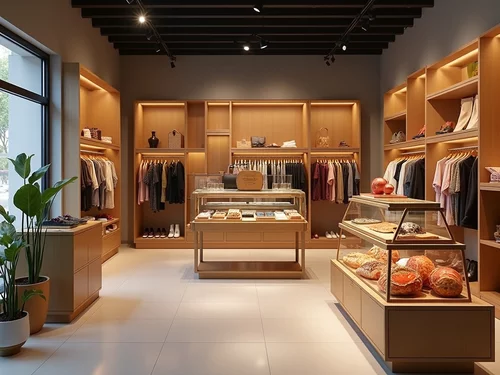
Are you aware that effective in-store displays can significantly transform customer experiences and drive sales? In the competitive retail environment, harnessing the power of visual marketing can set your brand apart from the rest. Discover the vital strategies and insights that can elevate your in-store merchandising to new heights.
What You Will Learn
- The critical role of in-store displays in enhancing customer engagement and driving sales.
- Key metrics like ROI, conversion rates, and dwell time that help measure the effectiveness of your display strategies.
- How to integrate omnichannel strategies, such as QR codes, to connect physical displays with online experiences.
- The importance of evaluating suppliers to ensure quality and alignment with brand vision.
- Essential factors for conducting a cost-benefit analysis to maximize the ROI of your in-store displays.
- Real-world examples of how analytics can enhance display effectiveness and customer engagement.
Key Metrics of In-Store Displays Impact on Sales
In-store displays significantly influence customer behavior and sales metrics. The following visual highlights critical aspects such as ROI, Conversion Rates, and Dwell Time Improvement that showcase their effectiveness.
Return on Investment (ROI)
Strong ROI indicates effective display strategies. Measure sales generated from specific displays against the costs incurred.
Conversion Rates
Tracks the percentage of customers making a purchase after interacting with a display. High rates suggest effective engagement.
Dwell Time Improvement
An increase in the time customers spend near a display indicates engagement, often leading to purchases.
Customer Engagement
Effective displays enhance customer interaction, leading to a welcoming atmosphere and increased sales.
Understanding the Impact of In-Store Displays on Sales
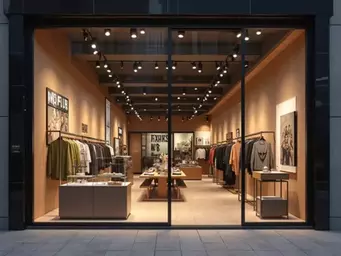
When it comes to retail, in-store displays play a crucial role in shaping customers' shopping experiences. They are not just simple decorations but rather strategic tools that can significantly influence buying behavior. As a passionate advocate for effective visual marketing at Elevate Retail Branding, I’ve seen firsthand how well-designed displays can draw attention, encourage exploration, and ultimately boost sales!
These displays serve various functions, from showcasing new products to promoting seasonal sales. When placed effectively, they can transform a customer's journey through your store, making it more engaging and enjoyable. But how can we quantify their impact? Let’s dig into some key metrics that help us understand their effectiveness. For a deeper dive into different types of visual marketing, explore visual marketing exploring key types.
Defining In-Store Displays and Their Importance in Retail Merchandising
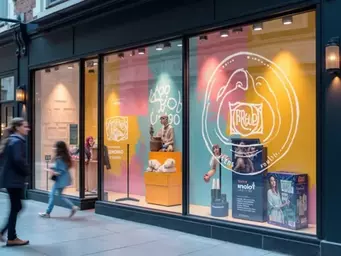
In-store displays can be defined as visual arrangements of products aimed at enhancing customer engagement and driving sales. They can take many forms, including window graphics, shelf talkers, and promotional signage. Each type plays an essential part in the overall shopping experience, making it vital for retailers to implement them thoughtfully.
The importance of these displays in retail merchandising cannot be overstated. They attract attention, create a welcoming atmosphere, and communicate your brand’s message. For instance, have you ever walked into a store and felt immediately drawn to a beautifully arranged display? That’s the magic of effective merchandising at work! You can learn more about how interior displays shape customer choices.
- Stand out in a crowded marketplace
- Highlight new or seasonal products
- Encourage customer engagement and interaction
- Enhance overall store aesthetics
Key Metrics: ROI, Conversion Rates, and Dwell Time Improvement
Understanding the impact of in-store displays also involves analyzing key metrics. These metrics help businesses assess the success of their display strategies and make necessary adjustments. Here are some critical indicators to track:
- Return on Investment (ROI): Measuring sales generated from specific displays against the costs incurred can provide valuable insights. A strong ROI indicates effective display strategies.
- Conversion Rates: This metric tracks the percentage of customers who make a purchase after interacting with a display. High conversion rates suggest that your displays are successfully encouraging sales.
- Dwell Time Improvement: An increase in the time customers spend near a display can signify interest and engagement, which often leads to purchases.
By keeping a close eye on these metrics, retail managers can refine their strategies, ensuring that every display serves its purpose. At Elevate Retail Branding, we believe that ongoing analysis is crucial for maximizing the potential of your in-store displays. Let’s ensure your retail space works *harder* for you!
Quick Summary
Here's a brief recap of the key points discussed so far:
- In-store displays are strategic tools that enhance customer engagement and drive sales.
- Key metrics such as ROI, conversion rates, and dwell time improvement are crucial for evaluating display effectiveness.
- Integrating omnichannel strategies with in-store displays can significantly enrich the shopping experience.
Integrating Omnichannel Strategies with In-Store Displays
In today's retail landscape, it's crucial to connect your in-store displays to the digital world. This is where omnichannel strategies come into play, bridging the gap between the physical and online experience. By incorporating tools like QR codes and inventory feeds, you can enhance customer engagement and drive sales across channels.
Imagine a customer walking through your store and scanning a QR code on a display. They could instantly access additional product information, promotions, or even reviews. This seamless connection not only enriches the shopping experience but also encourages customers to interact more deeply with your brand. For more insights on connecting physical and digital branding, check out our guide on enhancing branding with window graphics.
- Include QR codes on promotional signage
- Utilize inventory feeds to show real-time stock levels
- Link in-store displays to online reviews and ratings
At Elevate Retail Branding, we understand the significance of integrating these elements. It’s about creating a cohesive experience that resonates with customers and keeps them coming back!
Short Case Examples: Successful Integration of Analytics
Let’s look at some examples of retailers who have successfully integrated analytics into their in-store displays. These cases illustrate how data-driven strategies can enhance the effectiveness of visual merchandising.
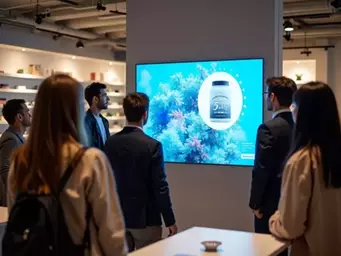
For instance, a well-known clothing retailer implemented digital displays that adjusted based on real-time sales data. If a specific item was trending, the display would highlight that product more prominently. This quick adjustment kept customers engaged and increased sales, showing how impactful analytics can be.
- A cosmetic brand used customer data to tailor in-store displays for different demographics, leading to higher sales.
- A tech retailer incorporated feedback mechanisms into their displays, allowing customers to vote on product preferences.
- A grocery chain tested various display formats and analyzed foot traffic patterns to optimize product placements.
These examples remind us that integrating analytics with in-store displays isn't just smart—it's essential! By leveraging data, you can make informed decisions that truly resonate with your customers.
Evaluating Supplier Options and Cost-Benefit Analysis
When it comes to creating effective in-store displays, choosing the right supplier is key. Evaluating your options thoroughly can save you time and money while ensuring that your displays align with your brand's vision.
Start by considering a few key factors during your vendor selection process:
- Experience in the retail space and familiarity with your industry
- Quality and durability of the materials used in display production
- Availability of customization options to reflect your branding
At Elevate Retail Branding, we recommend partnering with suppliers who understand the importance of high-impact visual marketing solutions. It’s about finding that perfect fit that meets both your budget and branding needs.
Frequently Asked Questions
Q: What are the key metrics for measuring the effectiveness of in-store displays?
A: The key metrics include Return on Investment (ROI), Conversion Rates, and Dwell Time Improvement. ROI measures sales generated against costs, conversion rates track purchases after display interaction, and dwell time indicates customer engagement with the display.
Q: How can omnichannel strategies be integrated with in-store displays?
A: Omnichannel strategies can be integrated by using QR codes on displays that link to online product information, promotions, or reviews. Utilizing inventory feeds to show real-time stock levels also helps bridge the gap between physical and online experiences.
Q: Why is supplier evaluation important for in-store displays?
A: Evaluating suppliers is crucial to ensure the quality and durability of display materials, the availability of customization options, and their experience in the retail industry. Choosing the right supplier ensures your displays align with your brand's vision and budget.
Q: What does a cost-benefit analysis involve for in-store displays?
A: A cost-benefit analysis involves comparing the initial investment cost and long-term durability of displays against the potential increase in customer engagement and sales. It also considers the cost of maintenance and updates to ensure maximum ROI.
Comparative Analysis of Display Costs and Expected ROI
Understanding the costs associated with in-store displays is crucial for maximizing your return on investment (ROI). A detailed cost-benefit analysis allows you to make smarter purchasing decisions. For instance, consider how interior displays shape customer experiences and impact their purchasing behavior, directly affecting ROI.
Consider these aspects when evaluating your display options:
- Initial investment cost vs. long-term durability
- Potential increase in customer engagement and sales
- Cost of maintenance and updates for the displays
By conducting a thorough analysis, you can project potential returns and align your display strategy with your financial goals. It’s about ensuring that every dollar spent contributes to driving sales and enhancing your brand visibility.
Summarizing Key Takeaways for Maximizing In-Store Display Effectiveness
As we wrap up this discussion on in-store displays, remember the essential actions that can elevate your retail space:
- Connect your in-store displays to digital platforms for enhanced customer engagement.
- Evaluate suppliers carefully to ensure quality and alignment with your brand.
- Conduct a cost-benefit analysis to maximize your ROI.
By implementing these strategies, you're setting your business up for success! So, are you ready to transform your store's visual marketing approach?
Call to Action: Download Your Toolkit and Start Implementing Today
Don't wait to take action! Download our comprehensive toolkit filled with resources to help you implement these strategies effectively. At Elevate Retail Branding, we're here to support you every step of the way! Let’s elevate your retail experience together. For further reading, explore how in-store branding trends for retail can further enhance your strategy.
Recap of Key Points
Here is a quick recap of the important points discussed in the article:
- In-store displays are vital for enhancing customer engagement and driving sales through effective visual merchandising.
- Key metrics to assess display effectiveness include Return on Investment (ROI), Conversion Rates, and Dwell Time Improvement.
- Integrating omnichannel strategies, such as using QR codes and inventory feeds, enhances customer experiences both in-store and online.
- Choosing the right supplier is crucial; consider their experience, material quality, and customization options.
- Conducting a thorough cost-benefit analysis will help maximize the ROI of your in-store displays.