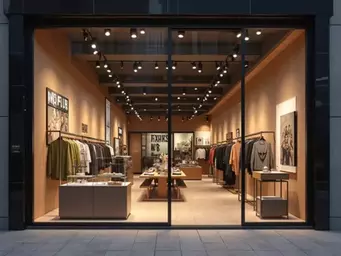
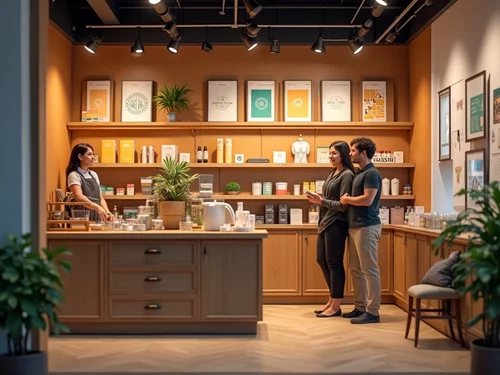
In a world where small businesses constantly compete for attention, the power of in-store branding can’t be overstated. How does your store create an inviting atmosphere that resonates with customers? This article unveils essential strategies to enhance your branding efforts and build lasting connections with your audience.
What You Will Learn
- In-store branding is about storytelling—create a narrative with every visual element in your store.
- Engaging in local marketing strategies strengthens brand identity and fosters community ties.
- Consistent brand identity across all platforms is crucial for customer recognition and trust.
- Measuring key performance indicators (KPIs) like foot traffic and conversion rates helps assess the impact of your branding efforts.
- Integrating in-store and online experiences enhances customer engagement and loyalty.
- Community involvement builds brand loyalty—participation in local events can significantly boost your visibility and customer connections.
- Implementing actionable branding strategies can lead to improved sales and stronger customer relationships.
Key Performance Indicators for In-Store Branding Success
Understanding and tracking these KPIs can significantly enhance your branding efforts.
Foot Traffic
Measures the number of customers entering your store, indicating the effectiveness of branding.
Conversion Rate
Tracks how many visitors make a purchase, reflecting your branding's persuasive power.
Customer Retention Rate
Indicates loyalty and satisfaction, showing how well your brand resonates with customers.
Sales Data Analysis
Analyzes sales trends over time to assess the impact of branding strategies.
Understanding In-Store Branding and Its Importance for Small Businesses
In-store branding is all about how a store presents itself visually to its customers. For small retailers, this is vital because it sets the tone for the shopping experience. Imagine walking into a store with a clear identity—it feels inviting and organized, right? That’s the power of effective in-store branding! It’s not just about aesthetics; it’s about creating an atmosphere that resonates with your customers.
When we talk about in-store branding, think of elements like window graphics, floor decals, and promotional displays. These tools help convey your brand identity and message. Small businesses, like those we work with at Elevate Retail Branding, can leverage these visuals to differentiate themselves in a crowded market. Our goal is to help you create a space that not only attracts customers but also makes them feel connected to your brand. For further insights on how to utilize visual elements effectively, explore our guide on enhancing branding with window graphics.
Defining In-Store Branding in the Context of Small Retailers
For small retailers, in-store branding is about more than just design; it's about storytelling. Every element, from your signage to product placement, should tell a story that reflects your brand’s values and mission. How does your store make customers feel when they walk through the door? That’s what in-store branding aims to achieve—creating an emotional connection with your audience.
Here are a few key components for small retailers to consider:
- Visual Identity: Your logo, color palette, and typography should be consistent throughout the store.
- Store Layout: A well-planned layout guides customers through the shopping experience.
- Promotional Displays: Eye-catching displays highlight new products or special offers.
The Shift Toward Local Marketing Strategies
In recent years, there has been a significant move towards local marketing strategies. Customers are increasingly looking for authentic experiences that connect them to their community. This means small businesses need to adapt their branding efforts to reflect local tastes and preferences. What better way to do this than through in-store branding?
Think about incorporating local elements into your designs—like using local artists for window displays or showcasing products from nearby suppliers. This not only strengthens your brand identity but also fosters community support. Here are some strategies to embrace local marketing:
- Collaborate with local artists for unique visual displays.
- Highlight local products in your store layout.
- Engage in community events to raise brand awareness.
Exploring the Role of Brand Identity in Small Business Success
Your brand identity is crucial for standing out in a competitive market. It's more than just your logo—it's how customers perceive your business. At Elevate Retail Branding, we believe that a strong brand identity can significantly impact customer loyalty and sales. Think about what makes your store unique. What story do you want to tell?
An effective brand identity encompasses a consistent message, visual elements, and emotional resonance. Here are some tips to strengthen your brand identity:
- Be consistent with your visual branding across all platforms.
- Engage with customers on social media to build relationships.
- Clearly communicate your brand values in-store and online.
By focusing on these elements, small businesses can create a distinctive identity that captures customer attention and builds long-term loyalty. Remember, it's all about creating that inviting atmosphere where customers feel a genuine connection to your brand! To learn more about effective visual elements, check out our article on visual marketing: exploring key types.
Pro Tip
To maximize the impact of your in-store branding, consider conducting A/B testing on your displays and layouts. Experiment with different designs, signage, and product placements to see which configurations resonate most with your customers. This data-driven approach can help you refine your branding strategies and enhance the overall shopping experience.
Measuring the Impact of In-Store Branding on Business Performance
Measuring the effectiveness of your in-store branding is crucial for understanding how well your efforts are resonating with customers. Key performance indicators (KPIs) can help you track the success of your branding strategies. By focusing on specific metrics, you can make informed decisions that drive your business forward. In my experience with Elevate Retail Branding, I’ve found that having clear metrics allows small retailers to see the direct impact of their branding efforts on sales and customer loyalty.
Some essential KPIs to consider include:
- Foot Traffic: Measuring the number of customers entering your store is a strong indicator of your branding effectiveness.
- Conversion Rate: This metric tracks how many visitors make a purchase, revealing the success of your branding in encouraging sales.
- Customer Retention Rate: A loyal customer base is a sign of effective branding that resonates with your audience.
By keeping an eye on these KPIs, you can gain valuable insights into the effectiveness of your branding strategies. Understanding what works and what needs improvement is the first step toward cultivating a successful retail environment. For more on how interior displays influence customer behavior, read our article on interior displays and customer choices.
Quantitative and Qualitative Metrics to Assess Branding Outcomes
Evaluating branding outcomes involves both quantitative and qualitative metrics. Quantitative metrics provide hard data that helps assess performance, while qualitative metrics offer insights into customer perceptions and experiences. Here are a few ways to gather and interpret both types of data:
- Surveys and Feedback: Use customer surveys to gather opinions on your branding efforts and overall shopping experience.
- Sales Data Analysis: Look for trends in sales data over time, especially before and after implementing new branding strategies.
- Social Media Engagement: Monitor interactions on social media to gauge customer sentiment and brand perception.
These insights can guide you in refining your branding efforts. At Elevate Retail Branding, we emphasize the importance of listening to our clients' customers, as it can lead to significant improvements in brand engagement.
Understanding Sales Conversions and Impulse Buying Behavior
Sales conversions and impulse buying are closely tied to effective in-store branding. When customers are drawn in by eye-catching displays or compelling store signage, they are more likely to make unplanned purchases. It’s essential to create an atmosphere that encourages this behavior. Some strategies include:
- Strategic Product Placement: Place high-margin items at eye level or near the checkout to promote impulse buys.
- Engaging Displays: Use creative displays that draw attention and tell a story about your products.
- Limited-Time Offers: Highlight special promotions or discounts to encourage immediate purchases.
By understanding the psychology behind impulse buying, you can tailor your in-store branding to maximize conversions. Each customer interaction becomes an opportunity to not only showcase your products but also to enhance their shopping experience.
Integrating In-Store Branding with Omnichannel Marketing Efforts
In today's retail environment, integrating in-store branding with omnichannel marketing is essential. A seamless experience across physical and digital platforms helps reinforce your brand identity. This integration can significantly enhance customer engagement and loyalty.
One effective way to achieve this is by ensuring your branding tells a consistent story, whether online or offline. Consider these strategies:
- Consistent Visual Identity: Use the same color palettes, fonts, and imagery across all touchpoints.
- Cross-Promotion: Use your physical store to promote online activities, such as social media contests or website launches.
- Unified Messaging: Ensure that your messaging is consistent and reflects your brand’s values, whether in-store or on your website.
When customers recognize your brand across multiple platforms, it builds trust and encourages them to engage more deeply with your offerings. At Elevate Retail Branding, we understand how crucial this seamless integration is for small businesses trying to stand out in a competitive market.
Creating a Seamless Customer Journey Across Platforms
Creating a seamless customer journey involves smoothing out any friction points that customers may experience while interacting with your brand. Here are some practical steps you can take:
- Integrated Loyalty Programs: Connect loyalty rewards between in-store purchases and online shopping to encourage consistent engagement.
- Personalized Marketing: Utilize customer data to tailor marketing messages based on previous shopping behaviors.
- Easy Navigation: Ensure your online store is easy to navigate, allowing customers to find products quickly and efficiently.
By focusing on creating a smooth customer experience, you can foster loyalty and encourage repeat business. Remember, at the heart of branding is the customer experience.
The Role of E-commerce Integration in Enhancing Brand Experience
E-commerce integration is essential for enhancing the overall brand experience. As more consumers turn to online shopping, it's important that your in-store branding complements your digital presence. Some effective tactics include:
- Online-Only Promotions: Offer exclusive online deals that can also be highlighted in-store to drive traffic to your website.
- In-Store Pickup Options: Allow customers to buy online and pick up in-store, bridging the gap between online and offline experiences.
- Product Reviews and Ratings: Encourage customers to leave reviews that can be showcased both online and in your store.
Integrating e-commerce with your in-store branding not only enhances customer engagement but also creates a cohesive brand experience. This is vital for small businesses looking to compete effectively in today's marketplace. For more on effective store layouts, consider our insights on interior displays that shape customer experience.
Frequently Asked Questions (FAQs)
- What is in-store branding?
- In-store branding refers to how a store visually presents itself to customers, including elements like window graphics, floor decals, and promotional displays, to create an inviting atmosphere and convey brand identity.
- Why is in-store branding important for small businesses?
- It helps small businesses differentiate themselves in a crowded market, sets the tone for the shopping experience, builds emotional connections with customers, and can significantly impact customer loyalty and sales.
- What are key components of in-store branding?
- Key components include visual identity (logo, colors, typography), store layout designed for customer flow, and eye-catching promotional displays.
- How can small businesses measure the impact of in-store branding?
- They can measure impact using Key Performance Indicators (KPIs) such as foot traffic, conversion rates, customer retention rates, and sales data analysis. Qualitative metrics like customer surveys and social media engagement also provide valuable insights.
- How does in-store branding integrate with omnichannel marketing?
- It integrates by maintaining a consistent visual identity and messaging across all platforms (online and offline), cross-promoting online activities in-store, and offering seamless experiences like integrated loyalty programs and in-store pickup options for online purchases.
Summarizing the Benefits of In-Store Branding for Small Businesses
In-store branding offers numerous benefits for small businesses, especially in terms of brand loyalty and customer engagement. By fostering a strong brand identity that resonates with customers, you create a foundation for long-term success. Some key takeaways include:
- Enhanced Visibility: Effective branding increases your store's visibility, attracting more customers.
- Stronger Customer Relationships: Personalized experiences build stronger connections with your audience.
- Increased Sales: Well-executed branding strategies can lead to higher sales and customer retention.
At Elevate Retail Branding, we believe that investing in your brand’s visibility and customer experience is essential for standing out in a crowded market. It’s time to embrace the power of in-store branding and see the positive impact it can have on your small business!
Encouraging Action: Steps to Implement In-Store Branding Strategies
Ready to take the leap and implement in-store branding strategies? Here are some actionable steps you can start with:
- Assess Your Current Branding: Evaluate what aspects of your branding are working and what can be improved.
- Set Clear Goals: Define what you want to achieve with your branding efforts, whether it’s increased foot traffic, improved sales, or heightened customer loyalty.
- Engage with Your Community: Foster relationships with local customers through events or promotions that highlight your brand’s personality.
Taking these steps will set you on the path to stronger brand identity and growth. Don't hesitate to reach out to us at Elevate Retail Branding if you need support or guidance on your journey!
The Importance of Community Involvement in Building Brand Loyalty
Community involvement is a powerful way to enhance brand loyalty. When customers see your business actively participating in local events or supporting causes, they’re more likely to feel connected to your brand. Here’s how to effectively engage:
- Participate in Local Events: Set up booths or sponsor local fairs to increase your visibility and connect with potential customers.
- Collaborate with Local Businesses: Partner with nearby shops to create mutually beneficial promotions or events.
- Support Local Charities: Get involved in local charitable initiatives to show that your brand cares about the community.
Building a strong presence within your community not only enhances your brand’s reputation but also fosters customer loyalty. Remember, a brand that gives back is a brand that customers love to support! You can also boost your in-store presence with engaging store floor decals.
Recap of Key Points
Here is a quick recap of the important points discussed in the article:
- Visual Identity: Maintain a consistent logo, color palette, and typography to create a cohesive store atmosphere.
- Store Layout: Design an intuitive layout that guides customers through their shopping experience.
- Promotional Displays: Utilize eye-catching displays to highlight new products and promotions effectively.
- Local Marketing: Incorporate local elements into branding to connect with the community and enhance customer loyalty.
- Brand Identity: Develop a strong brand identity that reflects your values and resonates emotionally with customers.
- Performance Metrics: Track KPIs like foot traffic, conversion rates, and customer retention to measure branding effectiveness.
- Seamless Integration: Ensure consistency across all platforms, both online and offline, to enhance customer experience.
- Community Engagement: Actively participate in local events and support charitable causes to build brand loyalty.