Every color tells a story, and in retail, that story can significantly influence how customers feel and behave. Understanding color psychology isn't just about aesthetics; it’s a powerful approach to shaping shopping experiences and driving sales.
What You Will Learn
- Colors evoke specific emotions, with warm colors creating urgency and cool colors promoting calmness.
- Selecting colors that align with your brand identity can enhance customer loyalty and create memorable experiences.
- Cultural and demographic factors significantly influence color preferences, making it essential to tailor your color strategies accordingly.
- Implementing accessibility in color choices ensures that all customers can enjoy and interact with your retail space.
- Utilizing data-driven metrics, such as sales conversion rates and customer feedback, can help you measure the effectiveness of your color strategies.
- Rotating color palettes for seasonal promotions and thematic displays can keep your retail environment engaging and fresh for customers.
Emotional Responses to Colors in Retail
Colors evoke distinct emotions that can influence consumer behavior in retail settings. Below are the emotional connections associated with various colors, as well as their strategic application in marketing. To learn more about how different visual elements impact customer perception, check out our insights on exploring key visual marketing types.
Blue
Trust, calmness, reliability
Orange
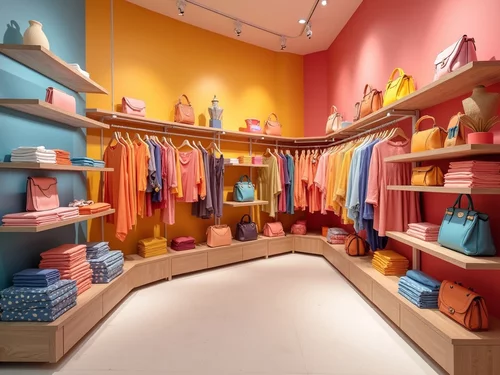
Energizing, encourages impulse purchases
Green
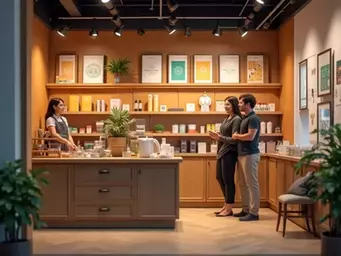
Growth, health, tranquility
Gray
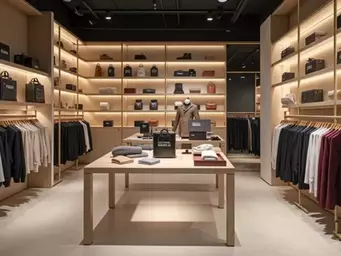
Neutral backgrounds, clarity
Understanding the Impact of Color Psychology on Retail
Every color tells a story, and in retail, that story can significantly influence how customers feel and behave. At Elevate Retail Branding, we understand that color isn't just about aesthetics; it’s a powerful tool that shapes shopping experiences. When you choose the right colors for your store, you're not only enhancing the visual appeal but also tapping into the psychology that drives consumer behavior.
Colors evoke emotions and can create a connection between your brand and your customers. For instance, warm colors like reds and oranges can create feelings of excitement and urgency, while cool colors like blues and greens tend to evoke calm and trust. This is why understanding color psychology is essential for crafting an engaging retail space that resonates with your audience.
The Emotional Connection of Color in Retail Environments
When you walk into a store, have you ever noticed how certain colors make you feel? This emotional connection is what makes color so crucial in retail environments. By selecting colors that align with your brand identity, you can create a memorable shopping experience that keeps customers coming back. For more strategies on enhancing your brand's presence, explore how cohesive branding boosts retail success.
For example, think about the colors used by some of the world's most successful brands. They leverage these emotional connections to build a strong brand identity. Here are some common emotional responses tied to colors:
- Red: Excitement, urgency, passion
- Blue: Trust, calmness, reliability
- Green: Growth, health, tranquility
- Yellow: Optimism, energy, happiness
Explaining Warm Colors and Their Urgency
Warm colors, such as red, orange, and yellow, are often associated with energy and activity. They can create a sense of urgency, encouraging customers to take action—like making a purchase or responding to a promotion. For instance, many sales use red in their signage or displays to grab attention quickly. At Elevate Retail Branding, we see how effective these colors can be in driving impulse buys!
Utilizing warm colors effectively can boost customer engagement and prompt quicker decisions. Consider incorporating these colors in promotional signage or display windows to attract foot traffic. This can transform a simple storefront into a vibrant invitation that draws potential customers in.
Exploring Cool Colors and Their Calming Effects
On the flip side, cool colors like blue, green, and purple convey a sense of calm and relaxation. These colors are often used in environments where you want customers to feel at ease. For example, many spas and wellness centers use calming blues and greens to create a serene atmosphere.
When designing your retail space, think about how cool colors can help in creating a welcoming environment. Here are a few ways to implement cool colors effectively:
- Use soft blue tones in waiting areas to promote relaxation.
- Incorporate greenery in displays to enhance feelings of tranquility.
- Combine cool colors with natural lighting for a refreshing ambiance.
How Color Influences Customer Behavior and Sales
The colors you choose can significantly impact customer behavior and ultimately influence sales. By understanding these dynamics, you can create a retail environment that not only attracts shoppers but also encourages them to buy. Color plays a pivotal role in establishing brand identity and eliciting specific emotional responses.
Research shows that colors can trigger impulse buying and affect emotional responses. For example, a recent study indicated that nearly 85% of consumers make purchasing decisions based on color alone! This statistic highlights the importance of being intentional with your color choices.
Impulse Buying Triggers and Emotional Responses
One significant aspect of color psychology is its ability to trigger impulse purchases. When you think about it, how often have you bought something simply because a color caught your eye? Colors like red and yellow can trigger quick emotional responses that compel customers to act. For instance, a bright red sale sign can create a sense of urgency, encouraging shoppers to buy before the deal is gone.
To leverage this power in your retail space, consider these strategies:
- Utilize bold colors for limited-time offers or flash sales.
- Position high-impulse items near checkout areas with eye-catching colors.
- Incorporate color psychology into your marketing materials for maximum impact.
The Role of Color in Creating Trust and Loyalty
Colors can also build trust and foster customer loyalty. For example, many financial institutions use blue in their branding to evoke feelings of trust and security. This is crucial in industries where customer confidence is paramount. At Elevate Retail Branding, we recognize that using the right colors can create a solid foundation for long-term customer relationships. For more insights on how visual elements can build customer trust, consider exploring the impact of enhancing branding with window graphics.
To enhance trust through color, you might want to consider:
- Using consistent colors across all marketing materials to build recognition.
- Incorporating calming blues and greens in customer service areas.
- Ensuring your online presence matches the color scheme of your physical store.
The Influence of Color on Consumer Behavior and Decision Making
Finally, color has a profound impact on consumer behavior and decision-making. Choices are often influenced by the colors surrounding us, and retailers can harness this influence to guide customer actions. For instance, colors can affect how long customers stay in your store or how much they spend!
To maximize the psychological effects of color, consider these tactics:
- Analyze color combinations that resonate with your target audience.
- Experiment with different color schemes to see what draws in customers.
- Test colors in your displays to determine which combinations yield the best results.
Pro Tip
Did you know? Conducting A/B tests on color schemes can provide invaluable insights into customer preferences and behaviors. By comparing different color displays, you can pinpoint which hues not only attract customers but also drive conversions. Make sure to analyze sales data and customer feedback before and after implementing changes to gauge effectiveness!
Addressing Key Content Gaps in Retail Color Strategies
In the world of retail, understanding color psychology is essential, but it's equally important to address the unique challenges that come with diverse audiences. As we dive into this section, let’s explore some critical areas that can enrich your retail color strategies, ensuring they resonate with all your customers. At Elevate Retail Branding, we believe that acknowledging these gaps leads to more effective visual marketing solutions.
Cultural Considerations in Color Psychology
Color preferences can significantly differ across cultures, and it’s vital to recognize these nuances when designing your retail displays. For example, while red may symbolize good fortune in some cultures, it could evoke caution or stop in others. Understanding these cultural meanings will help you tailor your color choices effectively. Here are some key considerations:
- Research cultural color symbolism relevant to your target audience.
- Conduct surveys or focus groups to gather insights on color preferences.
- Adapt color strategies for specific communities and markets.
How Color Preferences Vary Across Demographics
Demographics play a crucial role in shaping color preferences. Age, gender, and even location can influence how colors are perceived. For instance, younger shoppers may gravitate towards vibrant colors, while older customers might prefer more subdued tones. By tailoring your color strategies, you can create a more inviting atmosphere. Here are some demographic factors to consider:
- Age groups: Trendy colors for younger shoppers versus classic shades for older customers.
- Gender preferences: Women often favor softer tones, while men may lean towards bolder colors.
- Location-specific trends: Urban areas may embrace more eclectic palettes than rural settings.
Adapting Color Strategies for Global Markets
As retail businesses expand beyond borders, adapting color strategies for global markets becomes essential. Each country has its own cultural associations with colors, which can impact how your brand is perceived. Here are some tips for effective adaptation:
- Study regional color preferences and their meanings.
- Test different color schemes in various markets to gauge audience reactions.
- Collaborate with local designers who understand cultural nuances.
Accessibility in Retail Design: Color-Blind Friendly Solutions
Accessibility in design is not just a trend; it’s a necessity. Ensuring that your color choices can be appreciated by everyone, including those with color blindness, is vital for inclusive customer experiences. Here are ways to implement ADA compliance in your color choices:
- Use high-contrast color combinations for better visibility.
- Avoid relying solely on color to convey important information.
- Provide text labels alongside colored elements.
Implementing ADA Compliance in Color Choices
To comply with the Americans with Disabilities Act (ADA), it’s important to follow certain guidelines for color usage. By implementing these strategies, you can create a more inclusive shopping experience:
- Ensure all text has a contrast ratio of at least 4.5:1 against the background.
- Use patterns or textures to differentiate between elements instead of color alone.
- Incorporate assistive technology that enhances color interpretation.
Tools for Testing Color Accessibility in Displays
Utilizing tools for testing color accessibility is essential for refining your retail displays. These tools can help you identify areas that need improvement. Here are some recommended resources:
- Color Contrast Analyzer: Checks color contrast ratios.
- WebAIM's Color Contrast Checker: A user-friendly tool for accessibility compliance.
- Simulators for color blindness: Helps visualize how colors appear to individuals with color vision deficiencies.
Design Elements that Ensure Accessibility in Color Use
Incorporating accessible design elements not only complies with regulations but also enhances the overall customer experience. Consider the following:
- Use descriptive text alongside color-coded information.
- Employ shapes and symbols to convey messages.
- Maintain a consistent color palette that adheres to accessibility guidelines.
Evaluating the Effectiveness of Color Strategies
As we wrap up this section, it’s important to evaluate the effectiveness of your color strategies. By doing so, you can ensure that your retail displays are not just visually appealing but also effective in driving sales and customer engagement. Remember, your brand deserves the best, and at Elevate Retail Branding, we’re here to help you achieve that!
Data-Driven Metrics for Measuring Color Impact
Implementing a data-driven approach allows you to measure the impact of your color choices. This method provides valuable insights into customer behavior, helping you refine your strategies. Here are some key metrics to consider:
- Sales conversion rates before and after color changes.
- Customer feedback and surveys on color preferences.
- Foot traffic analysis during different color display periods.
Case Studies on A/B Testing Color Changes
A/B testing is a powerful method for understanding how color influences consumer behavior. By comparing two different color schemes, you can gain insights into which performs better. Consider the following steps for effective A/B testing:
- Select specific displays or areas to test.
- Run tests simultaneously to minimize external influences.
- Analyze results and make data-informed decisions.
Key Performance Indicators for Color Strategies
Identifying the right key performance indicators (KPIs) is crucial for measuring success. Here are some KPIs that can help you assess the effectiveness of your color strategies:
- Engagement rates on promotional displays.
- Social media interactions related to color campaigns.
- Customer retention and loyalty metrics.
Utilizing Retail Analytics to Assess Color Effectiveness
Retail analytics provides a wealth of information that can help you gauge the effectiveness of your color strategies. Here’s how to leverage analytics:
- Monitor customer interactions with color-coded products.
- Track sales data related to seasonal color changes.
- Adjust strategies based on customer feedback and shopping patterns.
Understanding and applying color psychology can significantly boost your retail branding efforts. For more insights on optimizing in-store experiences, explore our guide on interior displays and customer choices.
Frequently Asked Questions
- Q: How do warm colors influence customer behavior in retail?
- A: Warm colors like red, orange, and yellow create a sense of energy and urgency, encouraging impulse purchases and quick decisions. They are effective in promotional signage to grab attention.
- Q: What role do cool colors play in retail environments?
- A: Cool colors such as blue, green, and purple convey calmness, trust, and reliability. They are often used in environments where retailers want customers to feel at ease, such as waiting areas or wellness centers.
- Q: Why is understanding cultural color symbolism important for retailers?
- A: Color preferences and associations vary significantly across cultures. Recognizing these nuances helps retailers tailor their color choices to resonate positively with diverse target audiences, preventing misinterpretations and enhancing brand perception.
- Q: How can retailers ensure their color strategies are accessible to all customers?
- A: Retailers should implement ADA compliance in color choices by using high-contrast combinations, avoiding reliance solely on color to convey information, and providing text labels alongside colored elements. Tools like color contrast analyzers can help.
- Q: How can retailers measure the effectiveness of their color strategies?
- A: Effectiveness can be measured using data-driven metrics such as sales conversion rates before and after color changes, customer feedback through surveys, and foot traffic analysis during different color display periods. A/B testing different color schemes is also highly effective.
Seasonal and Temporal Color Strategies in Retail
Color strategies can also adapt to different seasons and events. By aligning your displays with the time of year, you can create a more engaging shopping experience. Here are some strategies to consider:
- Rotate color palettes for seasonal promotions.
- Utilize vibrant colors for holidays to attract attention.
- Incorporate calming tones during off-peak seasons to maintain customer interest.
Rotating Color Palettes for Seasonal Promotions
Seasonal color changes not only refresh your displays but also keep customers excited about what’s new. Here are some tips for effective rotation:
- Plan your color changes in advance to align with marketing campaigns.
- Incorporate trends from seasonal fashion or home décor.
- Highlight special promotions with eye-catching colors.
Temporal Displays: Engaging Customers Year-Round
Engaging customers throughout the year requires a strategic approach to color. Here’s how to implement temporal displays:
- Change displays regularly to reflect current trends or events.
- Experiment with color themes based on customer feedback.
- Offer limited-time promotions with unique color schemes to create urgency.
Thematic Displays: Creating Seasonal Cohesion
Thematic displays can unify your color strategy across different seasons. Consider these tips for creating cohesive themes:
- Choose a central theme and color palette for each season.
- Use props and decorations that complement your color choices.
- Incorporate storytelling elements that resonate with customers.
Summarizing Effective Color Use in Retail Displays
In summary, addressing content gaps in retail color strategies is vital for creating a vibrant shopping environment. By considering cultural nuances, ensuring accessibility, and evaluating effectiveness, you can enhance customer engagement. Here at Elevate Retail Branding, we’re dedicated to supporting retailers with tailored solutions that elevate their visual presence!
Key Takeaways for Retailers Seeking Color Solutions
As you refine your color strategies, keep these takeaways in mind:
- Acknowledge cultural differences in color perception.
- Prioritize accessibility in your designs.
- Implement data-driven insights to measure success.
Final Thoughts on Color Psychology and Customer Engagement
Color is more than just a visual element; it's a powerful tool that can influence customer behavior and enhance their shopping experience. By leveraging color psychology thoughtfully, you can create an inviting atmosphere that encourages engagement and boosts sales. So, are you ready to transform your retail space with the power of color?
Encouraging Action: Implementing Color Strategies Today
Now is the time to take action! I invite you to share your success stories and experiences with color strategies. Your insights are invaluable, and together, we can learn and grow. Also, don’t forget to access our resources for further learning on effective color use in retail. Let’s make your brand shine!
Providing Resources for Further Learning on Color Use in Retail
To further support your journey, I recommend exploring these resources:
- Books on color psychology and design.
- Online courses focused on visual merchandising.
- Webinars featuring retail experts discussing successful color strategies.
Recap of Key Points
Here is a quick recap of the important points discussed in the article:
- Understanding Color Psychology: Colors evoke emotions and influence consumer behavior; warm colors create urgency, while cool colors promote calmness.
- Emotional Connections: Selecting colors that align with your brand can enhance customer experiences and foster loyalty.
- Impulse Buying: Utilize bold colors like red and yellow for promotions to trigger quick emotional responses and encourage purchases.
- Cultural Considerations: Be aware of cultural differences in color perception to tailor your color strategies effectively.
- Accessibility Matters: Ensure your color choices are inclusive, accommodating those with color blindness and adhering to ADA compliance.
- Data-Driven Insights: Measure the effectiveness of your color strategies through sales data, customer feedback, and A/B testing.
- Seasonal Adaptations: Rotate color palettes according to seasons and themes to maintain customer engagement throughout the year.