As we move into a new era of retail in 2025, the evolution of in-store branding is not just a trend—it's a necessity. With technological advancements and shifting consumer expectations, retailers must adapt to create compelling shopping environments that resonate with their audiences.
What You Will Learn
- In-store branding is pivotal for enhancing brand visibility and creating emotional connections with customers.
- Technological advancements like AI are shaping customer experiences, necessitating hyper-personalization in branding strategies.
- Sustainability is becoming a core value for consumers, pushing retailers to integrate eco-friendly practices into their branding.
- Understanding consumer behavior is essential to align branding strategies with customer preferences, including transparency and authenticity.
- Scalability and adaptability are crucial for retailers to implement changes quickly while meeting evolving customer needs.
- Brand consistency across all channels strengthens customer loyalty and trust.
- Utilizing customer feedback is vital for continuous improvement and refining branding strategies.
Key Drivers of Change in Retail Branding Strategies
The retail industry is influenced by several key drivers that shape branding strategies. Below is a visual representation highlighting these key drivers and their implications for retail branding. For a deeper understanding of various visual marketing approaches, consider exploring visual marketing exploring key types.
Technological Advancements
Innovations like AI and smart technology are revolutionizing customer engagement.
Consumer Expectations
Today's shoppers demand personalized, immersive experiences that cater to their needs.
Sustainability Trends
More customers are looking for brands that prioritize environmental responsibility.
Preference for Personalization
Shoppers increasingly expect brands to tailor experiences to their unique tastes.
Demand for Transparency
Customers want to know more about the brands they support, including their values and sourcing practices.
Understanding the Evolution of In-Store Branding Trends for Retail Businesses in 2025
As we step into 2025, the landscape of in-store branding is undergoing a remarkable transformation. The way customers interact with retail environments is constantly changing, driven by new technologies and evolving consumer expectations. For business owners, staying ahead of these trends is crucial to enhancing brand visibility and optimizing the shopping experience. Let's explore how in-store branding has evolved and why it matters.
Defining In-Store Branding and Its Importance in Retail
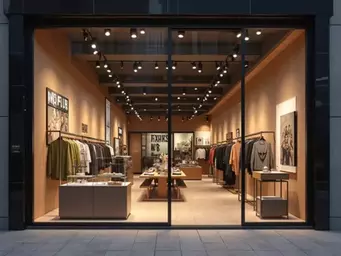
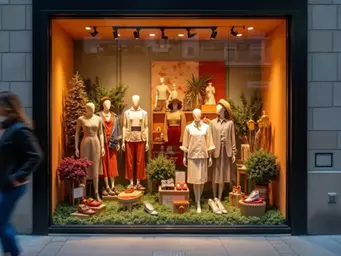
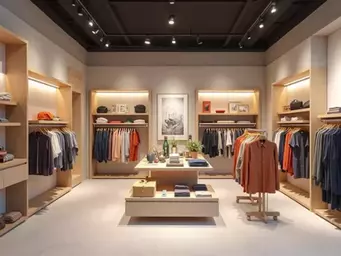
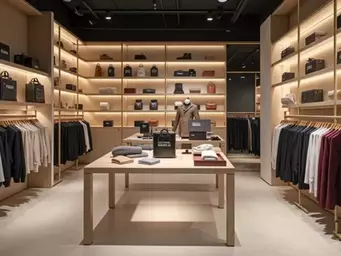
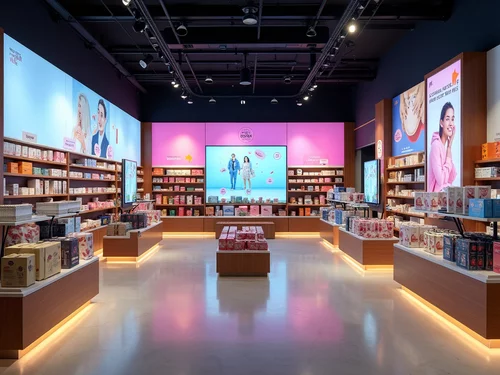
In-store branding refers to the strategies and tactics retailers use to create a memorable shopping environment. This includes everything from signage and displays to the overall layout and atmosphere of the store. Think of your store as your brand's stage—how you present it can significantly influence customer perceptions and behaviors. The goal is to create an immersive experience that resonates with shoppers and encourages them to engage with your products.
Why is this important? Well, effective in-store branding can lead to increased foot traffic and ultimately drive sales. When customers feel connected to a brand and its story, they are more likely to make a purchase. As an expert in retail branding, I believe that an effective strategy can transform a simple visit to a store into an unforgettable experience! Learn more about how interior displays shape customer choices to enhance your in-store branding.
- Enhances brand recognition and recall.
- Creates an emotional connection with customers.
- Increases customer loyalty and repeat visits.
Identifying Key Drivers of Change in Retail Branding Strategies
The retail industry is influenced by several key drivers that shape branding strategies. As we look forward to 2025, some of the most significant factors include:
- Technological Advancements: Innovations like AI and smart technology are revolutionizing customer engagement.
- Consumer Expectations: Today's shoppers demand personalized, immersive experiences that cater to their needs.
- Sustainability Trends: More customers are looking for brands that prioritize environmental responsibility.
These drivers compel retailers to rethink their approach to branding. By adopting new technologies and focusing on sustainable practices, businesses can create a more engaging and relevant shopping experience. For instance, at Elevate Retail Branding, we emphasize the importance of aligning visual marketing strategies with these evolving trends to meet customer expectations.
The Role of Consumer Behavior in Shaping Retail Branding
Understanding consumer behavior is at the heart of effective branding strategies. As customers become more informed and discerning, their preferences influence how brands present themselves in stores. Here are some key shifts in consumer behavior that are shaping retail branding:
- Preference for Personalization: Shoppers increasingly expect brands to tailor experiences to their unique tastes.
- Demand for Transparency: Customers want to know more about the brands they support, including their values and sourcing practices.
- Seeking Authenticity: Consumers are drawn to brands that tell genuine stories and connect on an emotional level.
By paying attention to these shifts in consumer behavior, retail businesses can better align their branding efforts with what customers really want. At Elevate Retail Branding, we strive to help clients navigate these changes by offering tailored visual marketing solutions that resonate with their target audiences. It's all about creating a vibrant shopping environment that speaks to customers and keeps them coming back for more!
Quick Summary
Here's a brief recap of the key points discussed so far:
- In-store branding is essential for creating memorable shopping experiences.
- Key drivers of change include technological advancements, changing consumer expectations, and sustainability.
- Understanding consumer behavior is crucial for effective branding strategies.
- Businesses must focus on scalability and adaptation to remain competitive.
- Maintaining brand identity consistency across channels enhances customer loyalty.
Key Takeaways from Current In-Store Branding Trends
As we look ahead to 2025, understanding the major shifts in retail branding is crucial for staying competitive. The landscape is rapidly changing, driven by technology, consumer expectations, and sustainability efforts. It’s clear that retailers must adapt to these trends to enhance their visibility and engagement. To summarize, here are some key points:
- Emphasizing immersive experiences that blend physical and digital interactions.
- Prioritizing hyper-personalization using AI and smart technology.
- Integrating sustainability deeply into store design.
- Utilizing seamless omnichannel strategies that enhance the shopping journey.
- Shifting focus from transactions to experiential shopping.
The emphasis on creating a holistic brand experience is essential for driving customer loyalty and satisfaction. As we navigate this evolving landscape, we need to maintain a keen eye on these trends and adapt our strategies accordingly.
Preparing for Future Trends: Scalability and Adaptation
To remain relevant, retail businesses must focus on scalability and adaptation. This means being ready to implement changes quickly while keeping customer needs in mind. Here are some steps to prepare for future trends:
- Invest in technology that allows for easy updates to branding strategies.
- Regularly assess customer trends and preferences through market research.
- Build a team that is flexible and ready to embrace change.
- Establish partnerships with innovative companies that can help enhance your brand.
By adopting a mindset that embraces change, we can ensure that our retail spaces remain engaging and relevant. At Elevate Retail Branding, we believe that the right strategy can transform a retail environment into a vibrant space that attracts customers and keeps them coming back!
Emphasizing Brand Identity and Consistency across Channels
In today's retail world, maintaining a strong brand identity is vital. It’s not just about visual elements; it’s about creating a consistent experience across all channels. Here are some tips to achieve this:
- Develop a clear brand message that resonates with your target audience.
- Ensure visual elements, like logos and colors, are consistent in both online and offline platforms.
- Engage with customers through social media to reinforce brand identity.
- Train staff to represent the brand consistently in all interactions.
By keeping our brand identity consistent, we create a sense of familiarity and trust that encourages customer loyalty. I’ve seen firsthand at Elevate Retail Branding how a strong brand presence can significantly enhance customer experiences and drive sales!
Engaging with Retail Branding Trends: Next Steps for Businesses
As we embrace these exciting retail branding trends, it’s important to take actionable steps to enhance our strategies. Here’s how businesses can get started:
- Develop a comprehensive omnichannel strategy checklist to align all branding efforts.
- Encourage a culture of innovation that focuses on community engagement and sustainability.
- Utilize customer feedback to continually refine branding approaches.
By taking these steps, we can create retail environments that not only attract customers but also foster genuine connections. At Elevate Retail Branding, we are committed to helping our clients navigate these trends and enhance their branding strategies for a successful future!
Creating a Checklist for Implementing Omnichannel Strategies
Implementing a successful omnichannel strategy requires careful planning and execution. Here’s a practical checklist to help guide your efforts:
- Assess your current brand presence across all channels.
- Define clear goals for your omnichannel approach.
- Utilize analytics to understand customer behavior and preferences.
- Ensure consistency in marketing messages across platforms.
- Train staff on the importance of delivering a unified customer experience.
This checklist can serve as a roadmap to ensure your branding efforts are cohesive and effective. By staying focused on these key elements, we can create a seamless customer journey that resonates with shoppers. For example, enhancing in-store branding with window graphics can be a powerful part of a cohesive strategy.
Encouraging Businesses to Embrace Innovations and Community Focus
Innovation and community engagement are vital aspects of modern retail branding. Here are some ways to encourage businesses to embrace these concepts:
- Foster partnerships with local businesses for collaborative promotions.
- Invest in technology that enhances customer engagement.
- Create events that bring the community together within your retail space.
- Share stories that highlight the impact of your brand on the community.
By embracing innovations and focusing on community, we can build authentic relationships with customers and drive loyalty. This is something I’m truly passionate about at Elevate Retail Branding, as I believe that community connections can enhance the overall shopping experience!
Utilizing Customer Feedback for Continuous Improvement
Customer feedback is a powerful tool for driving continuous improvement in retail branding. Here’s how to effectively utilize it:
- Implement surveys to gather insights on customer experiences.
- Monitor social media channels for feedback and engage with customers.
- Set up a system for analyzing feedback and making necessary adjustments.
- Encourage open communication channels with customers for ongoing input.
By actively listening to our customers and responding to their feedback, we can fine-tune our branding strategies and create a more enriching shopping experience. This commitment to improvement is at the heart of what Elevate Retail Branding stands for! For further reading on improving your retail space, consider our post on digital signage in retail spaces.
Frequently Asked Questions About In-Store Branding Trends for 2025
Here are some common questions regarding the evolution of in-store branding:
- Q: What are the key drivers shaping in-store branding in 2025?
- A: The key drivers include technological advancements (like AI and smart tech), evolving consumer expectations for personalized and immersive experiences, and a growing emphasis on sustainability.
- Q: Why is in-store branding important for retail businesses?
- A: Effective in-store branding enhances brand visibility, creates emotional connections with customers, increases foot traffic, drives sales, and builds customer loyalty.
- Q: How does consumer behavior influence retail branding strategies?
- A: Consumers increasingly demand personalization, transparency about brand values and sourcing, and authenticity. Brands that cater to these preferences are more likely to succeed.
- Q: What role does technology play in modern in-store branding?
- A: Technology, particularly AI and smart tech, is crucial for hyper-personalization, revolutionizing customer engagement, and creating immersive experiences that blend physical and digital interactions.
- Q: How can businesses adapt to future in-store branding trends?
- A: Businesses should focus on scalability and adaptability by investing in flexible technology, conducting regular market research, building adaptable teams, and forming partnerships with innovative companies. Maintaining brand consistency across all channels is also vital.
Recap of Key Points
Here is a quick recap of the important points discussed in the article:
- In-store Branding Importance: Effective in-store branding enhances brand visibility and creates emotional connections with customers, leading to increased foot traffic and sales.
- Key Drivers of Change: Technological advancements, consumer expectations for personalization, and sustainability trends are reshaping retail branding strategies.
- Consumer Behavior Insights: Shoppers prefer personalized experiences, demand transparency, and seek authenticity from brands.
- Focus on Immersive Experiences: Retailers must emphasize blending physical and digital interactions to enhance customer engagement.
- Brand Identity Consistency: A cohesive brand message and visual identity across channels fosters customer trust and loyalty.
- Utilizing Customer Feedback: Regularly gather and analyze customer insights to refine branding strategies and improve the shopping experience.