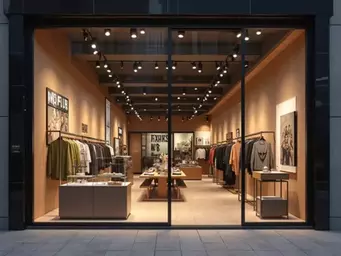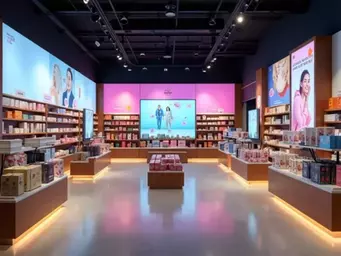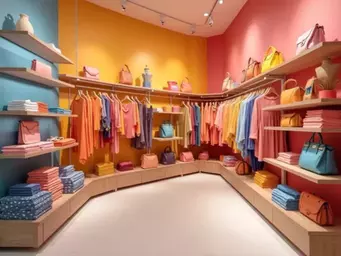
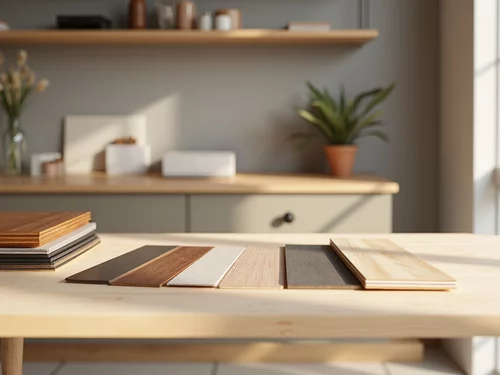
Have you ever walked into a store and felt immediately drawn in by the displays? The materials used can create an atmosphere that resonates with customers and communicates a brand's essence. Choosing the right materials for retail displays isn’t just about looks; it’s a strategic decision that can influence customer behavior and boost sales.
What You Will Learn
- The importance of material choice in enhancing customer trust and engagement.
- How different display types, like window displays and point-of-purchase displays, can impact customer interactions.
- Effective visual merchandising techniques, such as color coordination and storytelling, that can elevate your product displays.
- A variety of materials—wood, metal, acrylic, and cardboard—each offering unique benefits for retail displays.
- Key factors like durability and brand alignment that should guide your material selection process.
- Actionable steps to assess your current displays and engage suppliers for better material options.
Key Takeaways on Retail Display Materials
Highlighting the unique benefits of various materials for retail displays:
Wood
Offers a natural aesthetic and can enhance your brand's identity.
Metal
Provides strength and an industrial look, great for showcasing products.
Acrylic
Ensures transparency and modern appeal, keeping products visible and appealing.
Cardboard
A budget-friendly option, perfect for temporary displays and custom designs.
Understanding the Role of Materials in Retail Displays
When it comes to creating an inviting retail space, the choice of materials for your displays is crucial! The right materials not only enhance the look of your store but also communicate your brand's message effectively. At Elevate Retail Branding, we believe that understanding these materials can significantly impact customer experience and sales.
The material you choose for your displays can transform how customers perceive your brand. Think of it this way: a well-crafted display made from high-quality materials can make your products shine and attract more shoppers. So, let’s dive into the importance of selecting the right materials for in-store displays!
Importance of Choosing the Right Materials for In-Store Displays
Choosing the right materials for your in-store displays is more than just aesthetics; it’s about creating a connection with your customers. Quality materials can evoke a sense of trust with shoppers, encouraging them to spend more time in your store. Here are a few reasons why this decision is so important:
- Durability: High-quality materials withstand wear and tear, ensuring your displays look fresh longer.
- Brand Perception: The right materials reflect your brand identity, helping to establish trust and credibility.
- Customer Engagement: Creative materials can capture attention, drawing customers in and inviting them to explore.
By thinking strategically about your material choices, you can create a shopping experience that resonates with your audience! This is something I’m passionate about at Elevate Retail Branding, where we prioritize impactful visual solutions.
Overview of Common Display Types
When setting up your retail space, you might encounter various types of displays, each with unique advantages. Understanding these common display types can help you make informed decisions:
- Window Displays: Capture foot traffic with eye-catching visuals that tell your brand story.
- Point-of-Purchase Displays: Strategically placed near checkout areas to encourage impulse buying.
- Freestanding Displays: Flexible options that can be repositioned to highlight new products or promotions.
- End Caps: Ideal for showcasing specials or seasonal items at the end of aisles.
Each display type plays a role in crafting the overall shopping experience! As I work with clients, I emphasize that the right mix of these displays can elevate brand presence and customer engagement. For more insights on display types, check out our article on visual marketing exploring key types.
Visual Merchandising Techniques for Effective Displays
Visual merchandising is an art that combines creative display techniques with effective materials to attract customers. Here are some techniques to consider:
- Color Coordination: Use color schemes that align with your brand to create a cohesive look.
- Layering: Utilize different heights and depths in your displays to create visual interest.
- Lighting: Proper lighting can highlight products, making them more appealing.
- Storytelling: Create a narrative through your displays that connects emotionally with customers.
By integrating these visual merchandising techniques, you can transform your displays into captivating showcases that draw in customers. Elevate Retail Branding is here to help you implement these strategies and create an unforgettable shopping experience!
Quick Summary
Here's a brief recap of the key points discussed so far:
- The choice of materials for retail displays is crucial for enhancing brand perception and customer experience.
- Quality materials not only improve aesthetics but also build trust with shoppers.
- Different display types serve unique purposes, from capturing foot traffic to encouraging impulse buying.
- Visual merchandising techniques can transform displays into engaging showcases that resonate with customers.
Frequently Asked Questions (FAQs)
- Why is material choice important for retail displays?
The right materials enhance your store's aesthetics, communicate your brand's message effectively, influence customer perception, and can significantly impact sales by building trust and engagement. - What are the key benefits of using high-quality materials for in-store displays?
High-quality materials ensure durability, reflect your brand's identity to build trust and credibility, and creatively engage customers, drawing them in to explore products. - What are some common types of retail displays?
Common display types include window displays (for foot traffic), point-of-purchase displays (for impulse buys), freestanding displays (flexible product showcasing), and end caps (for specials). - What visual merchandising techniques can make displays more effective?
Effective techniques include color coordination to align with brand, layering to create visual interest, proper lighting to highlight products, and storytelling to connect emotionally with customers. - Which materials are discussed, and what are their unique benefits?
The article discusses wood (natural aesthetic, brand identity), metal (strength, industrial look), acrylic (transparency, modern appeal), and cardboard (budget-friendly, temporary displays). - What factors should guide material selection for retail displays?
Key factors include cost, durability, and how well the material aligns with your brand's identity and overall retail strategy.
Summarizing Key Takeaways on Choosing Retail Display Materials
As we wrap up our exploration of retail display materials, it's essential to remember the diverse options available and their unique benefits. From the natural warmth of wood to the sleek modernity of acrylic, each material can significantly impact how customers perceive your brand. Choosing the right material is not just about aesthetics; it also involves considering durability, cost-effectiveness, and how well it aligns with your brand's identity.
Here’s a quick recap of some of the material options we discussed and their benefits:
- Wood: Offers a natural aesthetic and can enhance your brand's identity.
- Metal: Provides strength and an industrial look, great for showcasing products.
- Acrylic: Ensures transparency and modern appeal, keeping products visible and appealing.
- Cardboard: A budget-friendly option, perfect for temporary displays and custom designs.
Each of these materials brings something unique to the table, highlighting the importance of strategic selection based on your specific needs. At Elevate Retail Branding, we’ve seen firsthand how the right material can transform a retail space, making it more engaging and inviting for customers. Learn more about enhancing store layout with visuals.
Final Thoughts on Strategic Material Selection for In-Store Displays
Selecting the ideal materials for your in-store displays is a crucial step in creating an engaging shopping experience. By carefully evaluating factors such as cost, durability, and brand alignment, you can make informed decisions that resonate with your target audience. Remember, your displays are not just about showcasing products; they are a reflection of your brand's values and can significantly influence customer behavior.
It's also important to stay flexible and responsive to changes in consumer preferences and market trends. As retail environments evolve, so should your display strategies. Embrace the opportunity to innovate and experiment with different materials and combinations that best reflect your brand's spirit! For more ideas, consider exploring enhancing branding with window graphics.
Encouraging Action: Next Steps for Retailers
Assessing Your Current Display Needs
Now that you have a better understanding of the various materials available for retail displays, it's time to assess your current setup. Take a moment to reflect on the effectiveness of your existing displays. Ask yourself:
- Do your displays align with your brand identity?
- Are they effectively attracting and engaging customers?
- What materials could enhance the visual appeal of your displays?
Contacting Suppliers for Material Quotes and Samples
Once you've identified your display needs, reach out to suppliers for quotes and samples. Engaging with vendors allows you to:
- Compare costs and materials to find the best fit for your budget.
- Request samples to evaluate the quality and aesthetic appeal of various options.
- Discuss custom solutions that align with your unique brand vision.
Joining the Conversation: Share Your Display Material Experiences
Finally, I encourage you to join the conversation around retail display materials! Share your experiences and insights—what has worked for you? What challenges have you faced? At Elevate Retail Branding, we love hearing from fellow retailers and supporting each other in the journey to create engaging shopping experiences. Let’s learn and grow together! You might find inspiration in our article on how to boost sales with window displays.
Recap of Key Points
Here is a quick recap of the important points discussed in the article:
- Choose Quality Materials: Selecting high-quality materials enhances brand perception and builds trust with customers.
- Understand Display Types: Familiarize yourself with different display types like window displays, point-of-purchase displays, freestanding displays, and end caps to maximize customer engagement.
- Implement Visual Merchandising Techniques: Use techniques such as color coordination, layering, proper lighting, and storytelling to create captivating displays.
- Evaluate Material Options: Consider materials like wood, metal, acrylic, and cardboard, each offering unique benefits for your display needs.
- Assess and Innovate: Regularly evaluate your current display setup and remain flexible to adapt to changing consumer preferences and market trends.